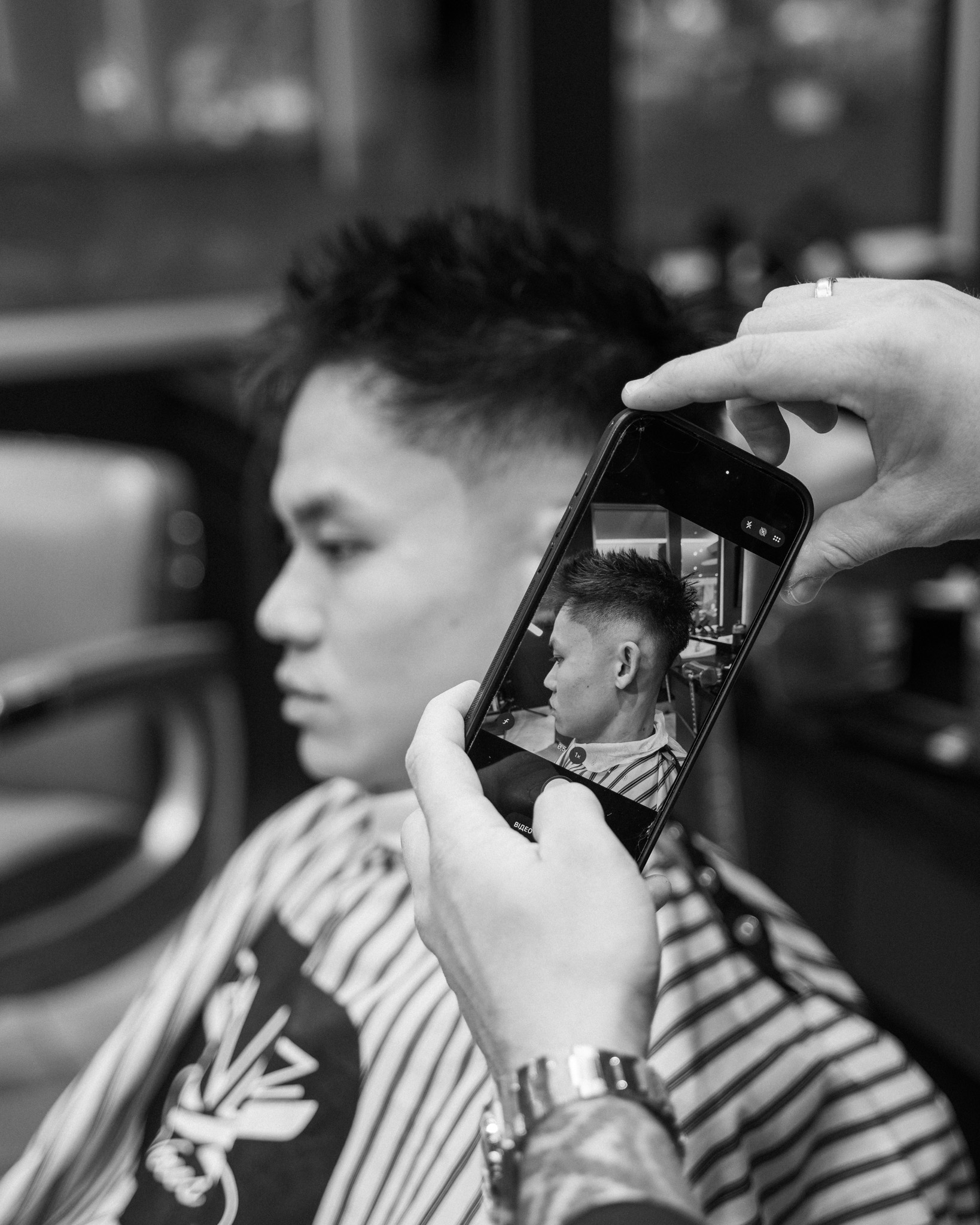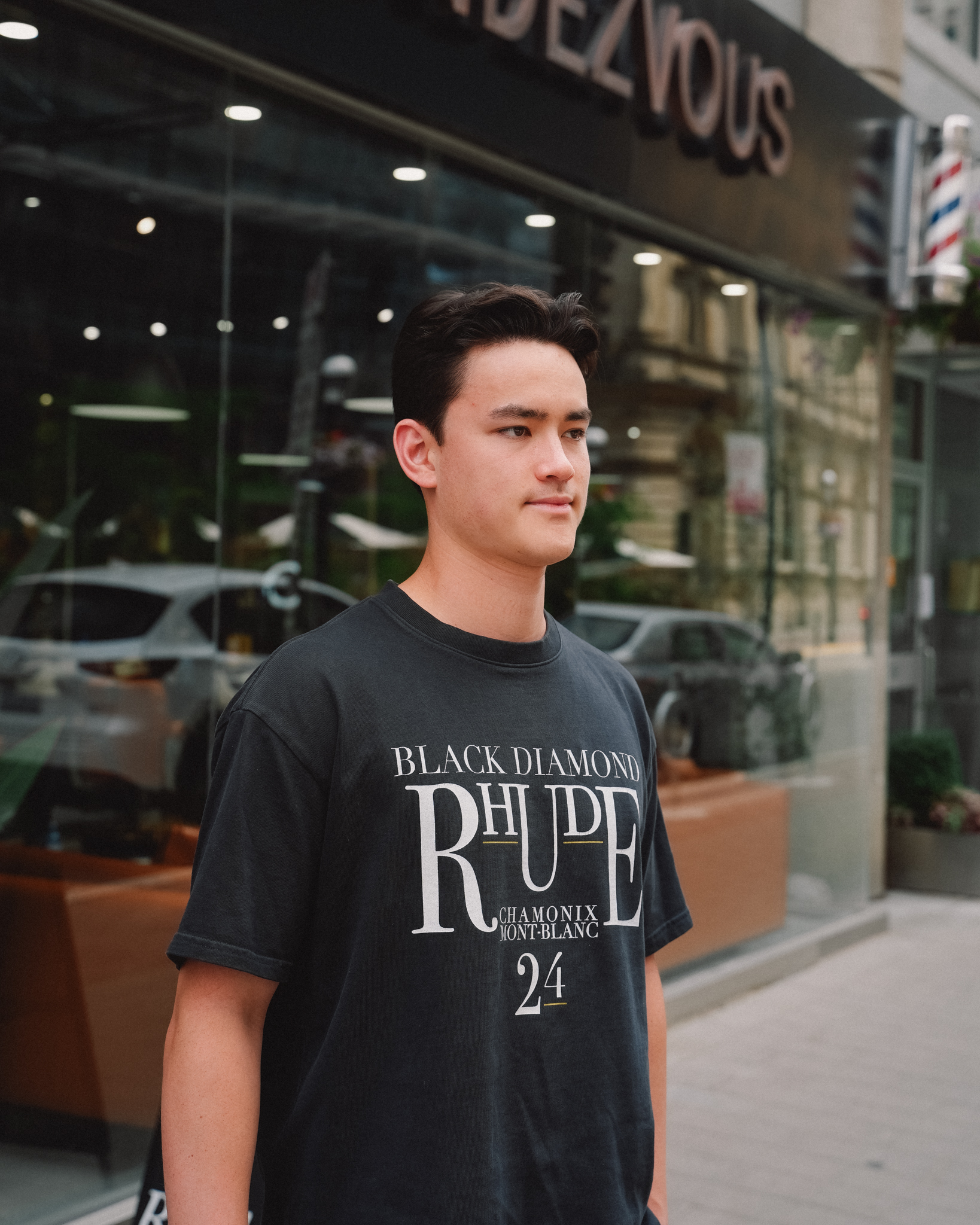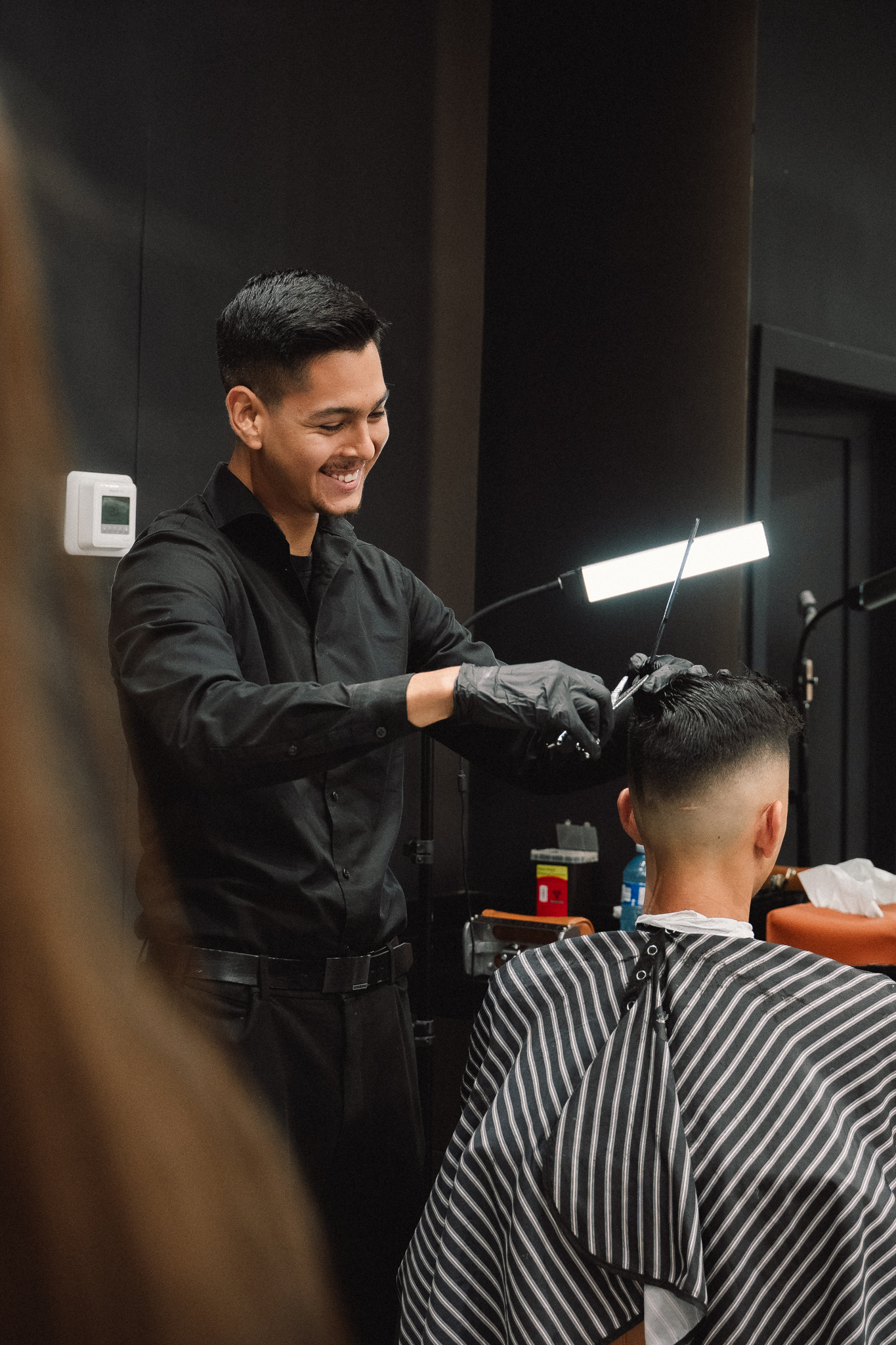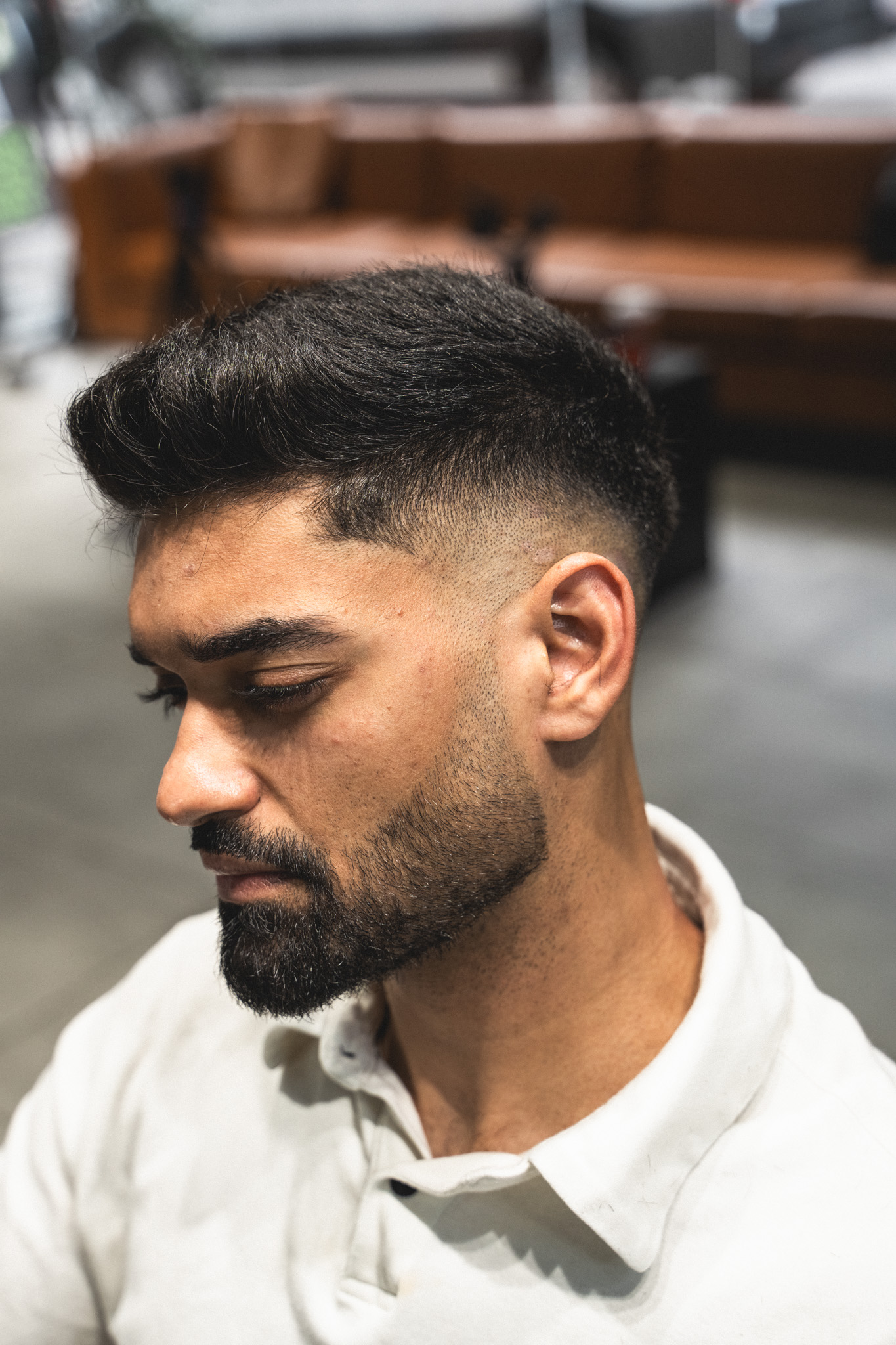
Every December, guys walk in wanting "something different" without knowing what that means. They've had the same cut for 18 months and it feels stale, but they don't know which direction to go.
The ones who look best a year from now won't be the guys who tried every trend. They'll be the ones who picked one evolution—something close enough to familiar that it doesn't feel like a costume, but different enough that people notice the upgrade.
Here's what that looks like for 2026. These aren't wild guesses. They're what's already climbing in bookings at shops across Toronto, what showed up on fall runways, and what's getting searched more every week. The data's clear if you're paying attention.
The textured crop that half the city wore in 2025? It's morphing into something looser. The standard fade? Still here, but the guys who care about looking current are tweaking it. Buzz cuts? Being replaced by guys who want their hair to actually do something again.
This is the forecast.
1. The French Crop
Take your textured crop, grow it out half an inch, let the front fall forward instead of pushing it up. That's the French crop.
You've got 1-2 inches on top, choppy layers that move naturally, and a fringe that sits over your forehead instead of being blown back into volume. The sides are tapered, not faded—just a clean gradient that doesn't need weekly maintenance.
It looks like you didn't try, which is the point. The textured crop required daily product and blow-drying to hit that volume. This just needs your fingers and maybe some sea salt spray.
Why it's blowing up: The textured crop peaked. It was 40% of requests at Toronto shops in 2025, which means everyone has it, which means it's done. Saint Laurent's spring previews showed models with this grown-out, fringed version months ago. That takes six months to hit the street, which lands it right in early 2026.
Barbers are already seeing it—requests for "crop with fringe" jumped 30% since summer. Guys are tired of fighting for volume every morning and watching it collapse under a toque by 9 AM.
Why it works here: December through March is toque season. The French crop survives hat compression because you're not trying to hold volume—you're working with natural fall. Pull your hat off, fingers through once, you're done.
It works across hair types too. Straight hair gets clean forward movement. Wavy hair adds texture without needing product to control it. Coarser textures that fight the textured crop's volume demands work better with this looser approach.
You can wear this cut to a board meeting or a bar on King West. It reads polished but not stiff, which is exactly what most guys need.
The details: Haircut every 4 weeks. Styling takes 2 minutes—sea salt spray or light paste, work through with fingers. Works best on oval or round faces because the forward fringe adds length and softens angles. Expected to hit 35% of requests by mid-2026.

2. The Executive Contour
A side part that doesn't look like your dad's side part.
You're keeping 2-3 inches on top, combing it 70/30, but the sides get a low-to-mid taper that curves with your head instead of dropping straight down. No harsh lines. The top gets subtle scissor texturizing for lift instead of sitting flat and slicked.
It's structured without being rigid. Polished without looking like you spent 20 minutes on it.
Why it's climbing: The slicked-back undercut dominated 2025 for guys in finance and law, but it required specific hair and too much morning time. This delivers the same sharp impression with half the work.
Fall runways showed the shift toward cuts that follow natural head shape instead of fighting it with product. Toronto barbers serving downtown are seeing it—"executive taper" requests up 25% since September from guys who came back to offices and realized they need to look sharp on Zoom and in person.
The side part itself is having a moment. After years of everything being textured and messy, guys want grooming that looks intentional. This is how you do that in 2026 without looking like you time-traveled from 1985.
Why it works here: This is the RBC, TD, Bay Street cut. It projects competence, which matters when your appearance affects how seriously people take you.
But it's not locked into formal settings. The texturizing on top means you can restyle it for evening without looking like you just left the office. Push it forward instead of side, add some texture paste, you've adapted.
Scarves and coat collars don't wreck it. The tapered sides stay clean and the structured top holds shape even after compression.
The details: Every 3 weeks for maintenance—the contoured taper needs regular cleanup. Styling takes 5 minutes: blow-dry with a round brush, matte pomade, comb into place. Best for square or heart-shaped faces because the horizontal lines balance strong jawlines. Projected 20% booking growth in Q1 2026 as more guys return to offices full-time.
3. The Burst Fade
Standard high fade, but curved. Instead of dropping straight down, it bursts outward from behind your ear in an arc—hence "burst."
Pair that with 3-4 inches of loose curls on top. Not tight coils, not a full high-top—just soft waves that create volume without looking like you're trying to make a statement.
The curved fade adds visual interest that straight fades can't touch, and the contrast between skin-tight sides and textured top creates dimension that works in person and in photos.
Why it's taking over: Fades held 50% of the market in 2025, but the standard version is saturated. Walk down Yonge Street and every third guy has the same skin fade. The burst variation keeps what works—clean sides, easy maintenance—but adds personality through that curved shape.
Runways picked up on this. Jacquemus fall show had models with curly tapered fades emphasizing movement and texture over precision. Toronto shops report 40% more requests for "curly fade" since the curly high-top trended on TikTok. The burst fade is the accessible version—you get the textured aesthetic without committing to extreme height.
There's also a broader thing happening where guys are embracing natural texture instead of fighting their curl pattern. The burst fade works with what you've got instead of requiring you to straighten or manipulate it.
Why it works here: Toronto's humid summers make curly texture practical in ways straight styles aren't. Humidity helps this cut instead of destroying it—your hair looks intentional when it's humid rather than frizzy and failing.
The city's diversity means a lot of guys have naturally curly or coily hair. The burst fade was designed for these textures, which is why it's climbing fast in neighborhoods like Kensington Market.
Maintenance is surprisingly low for a fade. The curly top needs minimal styling—just hydration and natural drying. The fade needs touch-ups every 2-3 weeks, but the top takes care of itself.
The details: Fade maintenance every 2-3 weeks, top can go 4-6 weeks. Styling takes 2 minutes: co-wash, curl cream on damp hair, diffuse or air dry. Works best on diamond or oval faces because the volume and curved lines highlight cheekbones. Expected to overtake standard skin fades at 28% of requests by summer 2026.
4. The Modern Pompadour
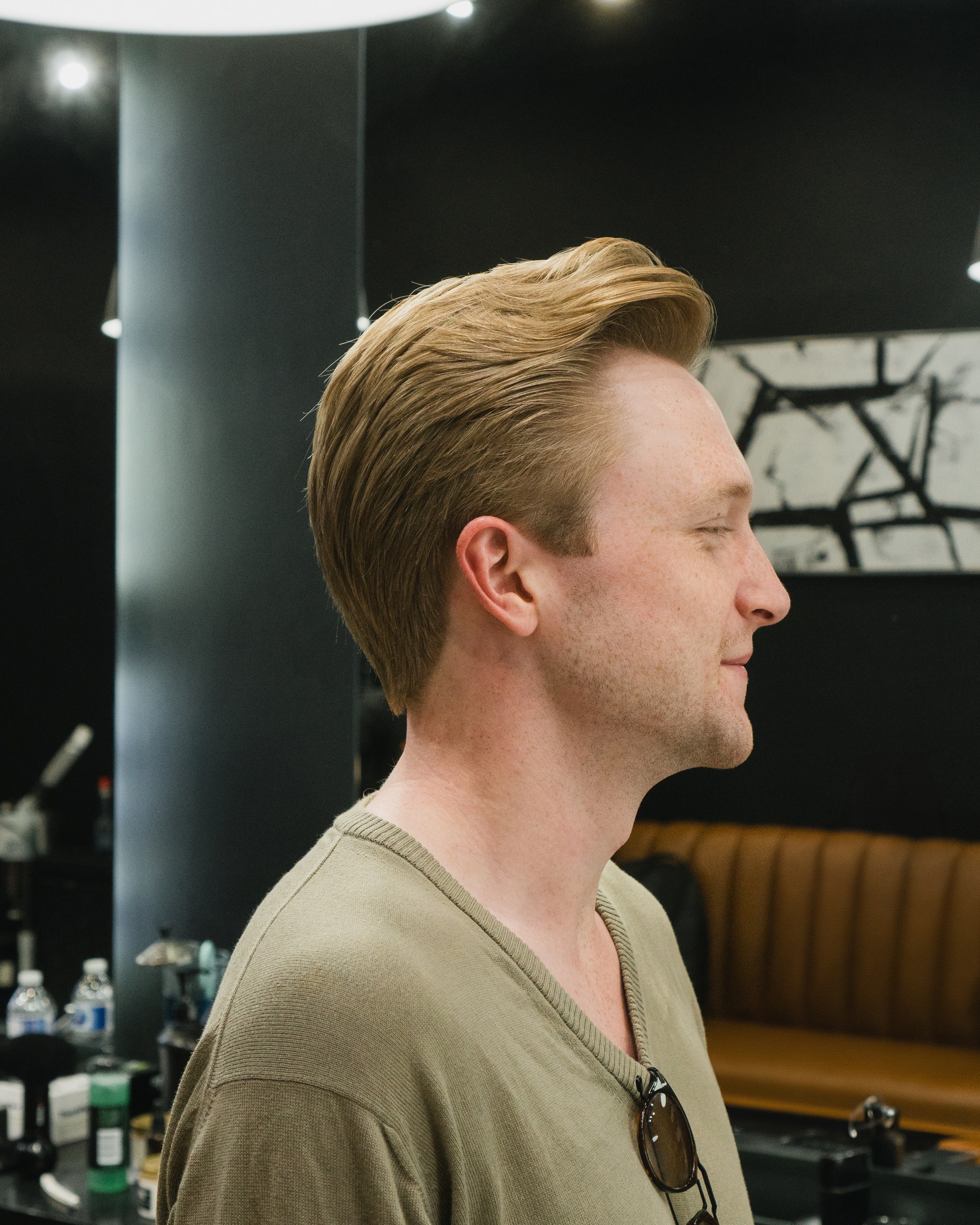
Height from front to back, 3-4 inches of elevation, with faded or tapered sides. But forget the 1950s rigidity—this version is softened with layers that create natural movement instead of a shellacked wall of hair.
Think pompadour that doesn't need 20 minutes and industrial pomade. The volume exists but it looks lived-in.
The profile matters most here. You want clear lift from forehead to crown, but with a natural gradient instead of a dramatic ledge.
Why it's coming back: Runways are pulling from '70s disco volume—Gucci's fall shows featured soft, elevated quiffs that feel intentional but not fussy. After years of flat, forward-brushed cuts, guys want height and dimension again without growing everything out.
Toronto barbers see it in reference photos—18% jump in "soft pomp" requests from guys showing Timothée Chalamet-type texture and volume. It's replacing buzz cuts for guys who want presence without looking like they're trying too hard.
The practical part: it adds height to shorter faces and balances strong jawlines. Some proportion problems can't be solved with a flatter cut.
Why it works here: This is the creative class cut—film production, design, marketing, anyone working in environments where personal style gets noticed. The pompadour signals you pay attention to detail without being aggressive about it.
Weather-wise, it handles Toronto's shoulder seasons well. Spring and fall wind doesn't destroy it because the volume has flex. Winter toques compress it but it recovers when you pull them off because the cut creates the shape, not the product.
Evening versatility matters in a city with real nightlife. Pompadours photograph well under bar lighting, which matters if social media is part of how people see you.
The details: Every 4 weeks because the layered texture hides growth better than blunt cuts. Styling takes 5-7 minutes: volumizing mousse on damp hair, blow-dry upward, light pomade for hold. Works best on oblong or round faces because the volume adds width. Expected 15-20% adoption by mid-2026, concentrated in creative industries.
5. The Grown-Out Shag
Shoulder-length layers, 4-6 inches, with choppy ends and face-framing pieces. Middle-parted for symmetry, tousled for movement. It looks shaggy but there's structure underneath—without proper layering this is just long hair that hangs there.
Optional low taper at the nape if you're not ready to commit to full length all around.
Why it's spiking: Esquire's calling this the cut of 2026 based on spring runway previews. Saint Laurent showed choppy, playful length that's more intentional than 2025's generic long styles.
There's a cultural shift away from the ultra-clean cuts that dominated the early 2020s. Younger guys—Gen Z specifically—want longer hair that signals creative identity and pushes back against corporate grooming standards.
Toronto barbers tracking searches see 25% more queries for "grown shag" and "layered long hair" since fall. It's concentrated in under-35s but spreading to older guys tired of cycling through the same fade-and-crop options.
The appeal: it's a statement cut that still works professionally if you style it right. Tie it back for meetings, wear it loose everywhere else.
Why it works here: Distillery District, Queen West, arts community cut. It signals creative work and openness in ways conservative cuts don't. In a city with strong music and art scenes, there's always demand for cuts that reflect those values.
Practically, it handles Toronto's indoor heating and dry winter air better than shorter cuts. Longer layered hair doesn't get as staticky because there's more weight holding it down.
The versatility surprises guys who haven't had length recently. Wear it loose, tie it back, tuck behind ears—multiple looks from one cut depending on where you're going.
The details: Every 6-8 weeks because choppy layers hide growth. Styling takes 3-5 minutes if you air dry, 10 if you want specific shape. Minimal product needed—sulfate-free shampoo, leave-in conditioner, sea salt spray for texture. Works best on heart-shaped or triangular faces because the layers soften broader foreheads. Expected 30% increase in longer layered cuts by Q2 2026, concentrated under age 35.
What's Actually Fading Out
The flat textured crop isn't disappearing but it's losing ground to the French crop that needs less maintenance. The ultra-high skin fade is plateauing—still popular but guys are exploring burst fades and contoured tapers. Generic buzz cuts are being replaced by guys wanting texture back. The slicked-back undercut is too high-maintenance for real life—the executive contour delivers similar polish with less daily effort. Unstructured long hair is getting refined into intentional cuts like the shag.
What to Ask Your Barber
"Does this work with my hair texture?" Not every cut suits every hair type. The French crop works across textures. The burst fade is designed for curly hair. The pompadour needs density for volume. Your barber knows your hair—listen to them.
"How much time will this take me in the morning?" Be honest about your routine. If you won't blow-dry, don't get a cut that requires it. If you won't use three products, choose something that works with one.
"What does maintenance look like?" Ask about real frequency, not ideal frequency. Factor in budget and schedule. Some cuts cost more per visit but last longer, making them cheaper per year.
"How does this handle Toronto weather?" Your barber cuts Toronto hair all day. They know what survives toques, humidity, and the temperature swings that destroy certain styles.
"Can I see this on someone with my face shape?" Photos help but seeing the cut on similar proportions shows the actual result instead of the idealized version.
When to Book This
Early January if you want to be ahead of the curve—these cuts are rising but not saturated yet. February-March if you want social proof first—by then you'll see them around the city and can confirm they work before committing. December if you have holiday events and want to show up looking different from your usual. Spring if you're risk-averse and want to see how these perform through a full Toronto winter first.
There's no wrong timing. Some guys are early adopters, others wait for validation. Both work.
The Real Point
The cuts dominating 2026 aren't radical departures. They're evolutions that solve specific problems with what's popular now while adapting to how guys actually live.
The French crop keeps the textured crop appeal with less work. The executive contour delivers professional polish without excessive styling time. The burst fade keeps the fade aesthetic while adding personality. The modern pompadour brings back volume without 1950s maintenance. The grown-out shag provides a statement for guys ready to commit to length.
These aren't six-month trends. They're based on runway direction, local booking patterns, and practical considerations for Toronto weather and lifestyles. That combination means staying power through 2026 and probably into 2027.
Your current cut probably works fine. But if you've been thinking it's time for something different, these are the directions that will look current six months from now instead of dated.
Book your appointment today and tell us which 2026 cut you're considering. We'll figure out if it works for your hair texture, face shape, and actual daily routine—not some theoretical ideal version of your life.
If you're not sure which way to go, book a consultation. We'll walk through options based on what we're seeing work in real time across all our locations.
The guys who look best next year won't be the ones who jumped on everything. They'll be the ones who picked cuts that fit their actual lives and maintained them properly.

%20(1)%20(1).jpg)