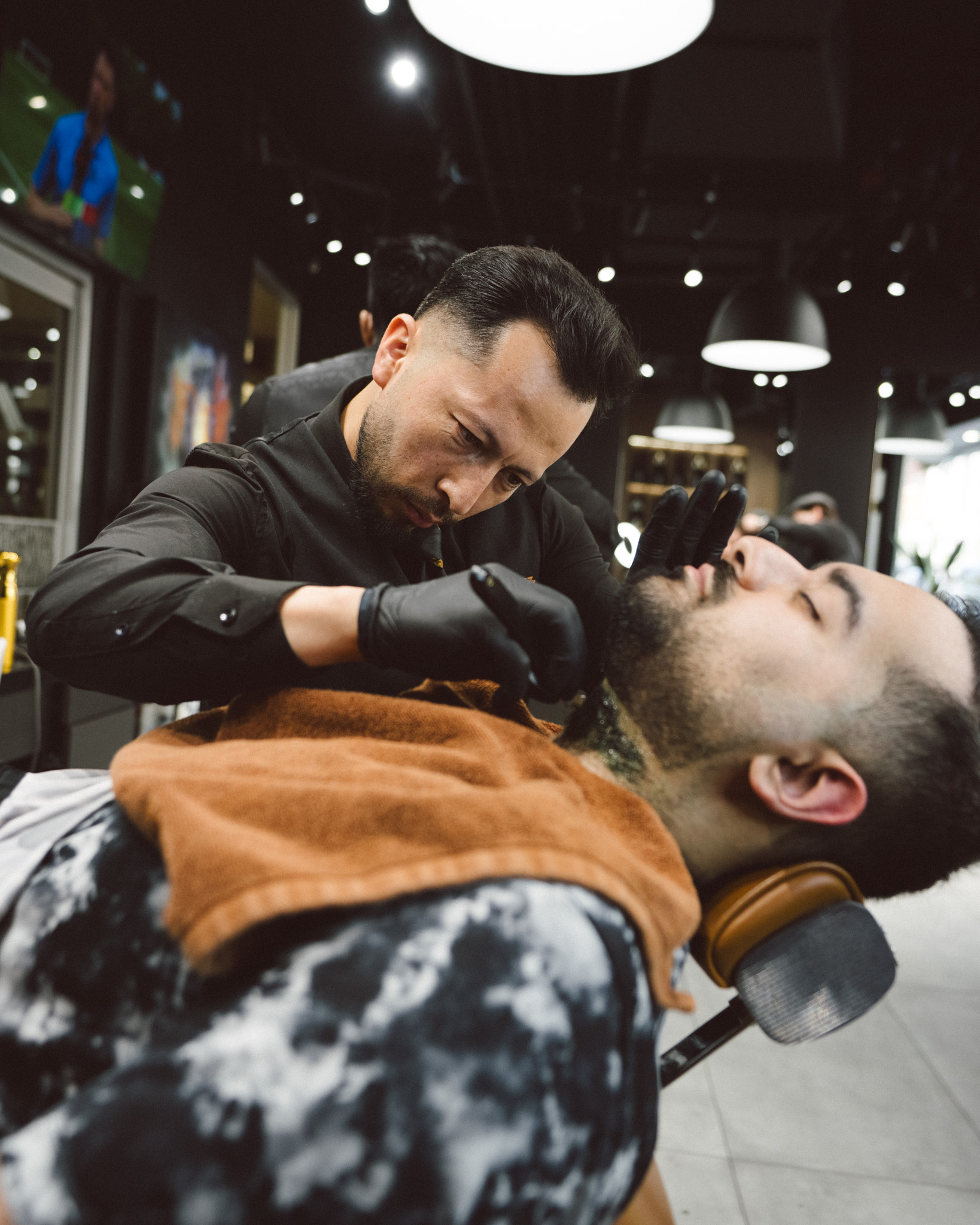
You leave the barbershop and a few hours later, your scalp feels tender. Not painful exactly, but sore. Like your hair itself hurts when you touch it or move it a certain way.
This is surprisingly common and most guys never mention it because they assume it's just them. It's not. Hair and scalp soreness after a haircut happens to a lot of people for very specific reasons.
Most of the time it's completely normal and goes away within 24-48 hours. Sometimes it indicates a problem that needs attention.
Here's why your hair hurts after a haircut, what's causing it, and how to tell the difference between normal sensitivity and something you should actually worry about.
The Most Common Cause: Hair Direction Change
Hair grows in a specific direction from each follicle. When you get a haircut, especially a significant one, the hair that's left is suddenly being styled or lying in a different direction than it was before.
Your hair follicles and the muscles around them (called arrector pili muscles) are used to hair pulling in one direction. When it suddenly shifts to another direction, those muscles and nerve endings react. This creates the sensation of soreness or tenderness.
What this feels like: A general scalp tenderness, especially when you touch or move your hair. It's more noticeable when you run your fingers through your hair or when wind blows it in a different direction than it wants to naturally fall.
How long it lasts: Usually 24-48 hours. By the second or third day, your scalp has adjusted to the new hair direction and the soreness disappears.
When this happens most: When you go from longer hair to significantly shorter, when you change your part from one side to the other, or when you get your first fade or undercut and hair is suddenly much shorter on the sides.
What to do: Nothing. This is normal and resolves on its own. Avoid excessive touching or pulling on your hair while it adjusts.
Scalp Sensitivity From Clipper Friction
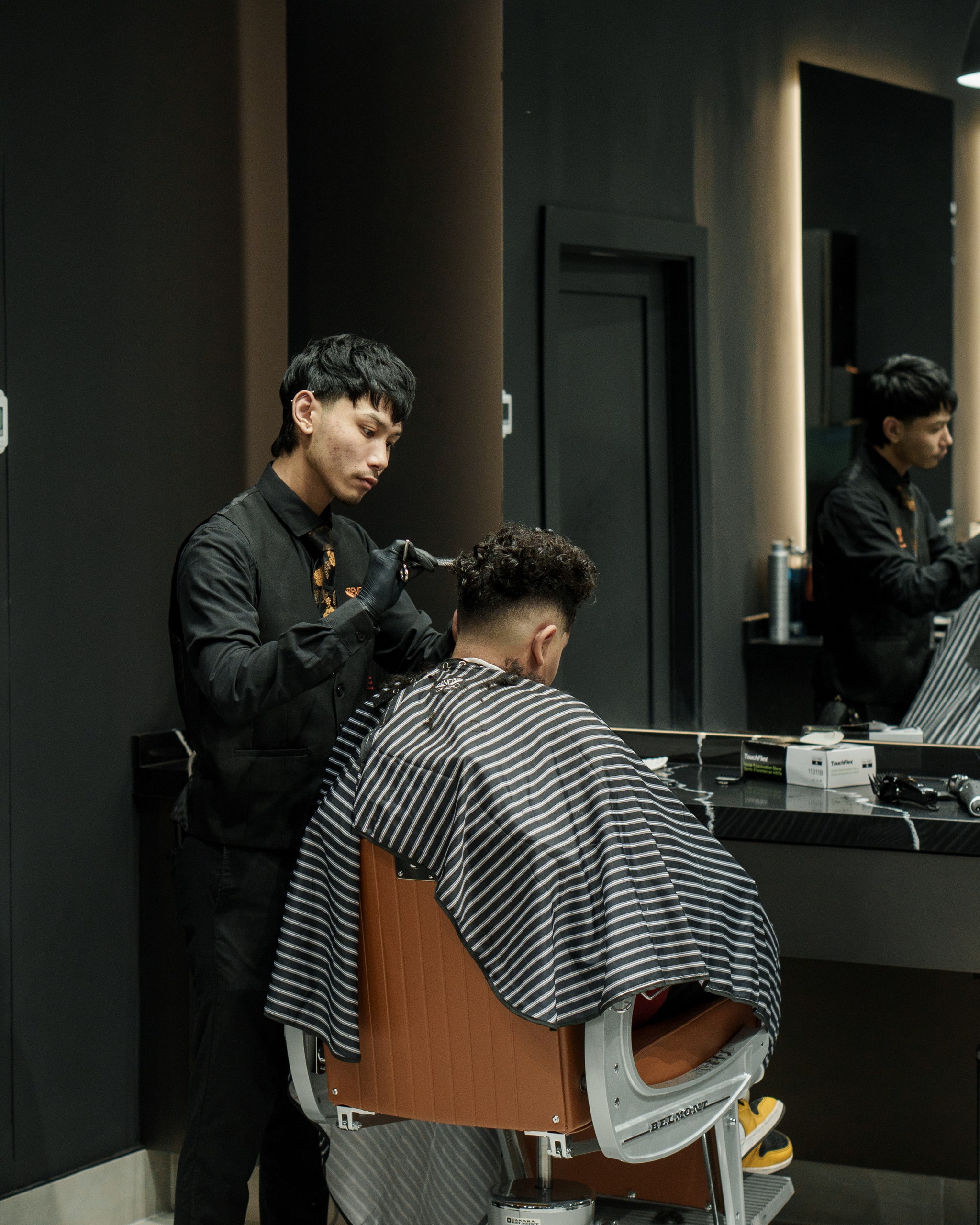
Clippers vibrate against your scalp during a haircut, especially during fades or when cleaning up the neckline. This creates friction and slight irritation on the skin.
Most people's scalps handle this fine. Some people have more sensitive skin that reacts to the repetitive friction and vibration.
What this feels like: Your scalp feels slightly raw or irritated in the areas where clippers were used most, usually the back and sides. It might feel warm to the touch or slightly tender when you touch those areas.
How long it lasts: 12-24 hours typically. Longer if your skin is particularly sensitive or if the barber used clippers for an extended period.
When this happens most: During skin fades or very short cuts where clippers are used extensively. Also more common if you have sensitive skin generally or conditions like eczema.
What to do: Avoid scratching the area. You can apply a gentle, unscented moisturizer to soothe the skin. Aloe vera gel works well. The irritation should fade within a day.
When to worry: If the area becomes very red, develops bumps, or doesn't improve after 48 hours, you might be having an allergic reaction to a product used during the cut or developing folliculitis (infected hair follicles). See a doctor if this happens.
Tension Release (If You Had Your Hair Tied Back)
If you regularly wear your hair in a ponytail, man bun, or any tied-back style, you're creating constant tension on your scalp. When you get a haircut that removes that length, the tension is suddenly released.
This can cause temporary soreness as your scalp adjusts to not being under constant pull.
What this feels like: A general scalp tenderness, particularly around the areas where the hair was tied tightest (usually the crown and temples). Some people describe it as a dull ache.
How long it lasts: 24-72 hours. The longer you've been wearing your hair tied back, the longer the adjustment period.
When this happens most: When cutting from long hair that was regularly tied back to medium or short length that can't be tied anymore.
What to do: Gentle scalp massage can help. Use your fingertips to massage in small circles around the sore areas. This increases blood flow and helps the scalp adjust faster.
Clipper Burn or Irritation
If clippers are dull, too hot from extended use, or used with too much pressure, they can irritate or even slightly burn the skin.
This is less common at professional barbershops where equipment is maintained properly, but it happens occasionally.
What this feels like: A burning or stinging sensation on the scalp, particularly in areas where the fade or taper is tightest. The skin might look slightly red or feel hot to the touch.
How long it lasts: 24-48 hours for mild irritation. Longer if there's actual clipper burn.
When this happens most: During very tight skin fades, especially if the barber is rushing or using clippers that need maintenance.
What to do: Cool compress or aloe vera gel on the affected area. Avoid hot showers or anything that will further irritate the skin. If the burning is significant or blisters form, see a doctor.
How to prevent it: If you know your scalp is sensitive, mention this to your barber before they start. They can adjust pressure and technique to minimize irritation.
Product Sensitivity or Allergic Reaction
Some scalps react to products used during or after the haircut. Shampoos, conditioners, aftershave, or styling products can all cause reactions in people with sensitive skin.
What this feels like: Itching, burning, or tingling that gets worse over the hours after your haircut rather than better. The scalp might feel hot or develop small bumps.
How long it lasts: Until the product is washed out and the reaction subsides. Usually 24-48 hours after thoroughly washing your hair.
When this happens most: If the barbershop used a new product on you, or if you have known sensitivities to fragrances, alcohols, or certain ingredients.
What to do: Wash your hair thoroughly with a gentle, unscented shampoo as soon as you notice the reaction. Rinse well. If the reaction is severe (significant swelling, difficulty breathing, spreading rash), seek medical attention immediately.
How to prevent it: Tell your barber about any product sensitivities before they start. Most shops have multiple product options and can avoid using things you react to.
Sunburn or Weather Exposure (Toronto Specific)
If you went from having longer hair to a very short cut, parts of your scalp that were previously covered are now exposed. In Toronto's variable weather, this can mean sunburn in spring and summer or wind exposure in winter.
Newly exposed scalp skin is more sensitive than skin that's been regularly exposed.
What this feels like: Tenderness on the top of your head, particularly where hair is shortest. The skin might look pink or feel tight.
How long it lasts: Like any sunburn, 2-5 days depending on severity.
When this happens most: Spring and summer when guys go from longer winter hair to short cuts and spend time outside before the scalp toughens up.
What to do: Use sunscreen on your scalp if you have very short hair and plan to be outside. Wear a hat until your scalp adjusts. Aloe vera helps with sunburn discomfort.
Ingrown Hairs or Folliculitis
If you're experiencing pain in specific spots rather than general tenderness, you might have ingrown hairs or infected follicles.
This happens when hair starts growing back but curls under the skin instead of growing out, or when bacteria enters hair follicles that were irritated during cutting.
What this feels like: Small, painful bumps on the scalp or neck. The area around each bump might be red and tender. Sometimes there's a visible white head like a pimple.
How long it lasts: Several days to a week. Won't resolve on its own if it's infected.
When this happens most: People with curly or coily hair are more prone to ingrown hairs. Also more common if clippers were used on very short hair or if the barbershop's sanitation wasn't perfect.
What to do: Warm compresses on the affected area. Don't pick or scratch. If there are multiple bumps, they're spreading, or they're not improving after a few days, see a doctor. You might need antibacterial treatment.
How to prevent it: Make sure your barbershop sanitizes tools properly. If you're prone to ingrown hairs, mention this to your barber. They can adjust their technique and recommend products that help prevent them.
What's Normal vs What's Not
Here's how to tell if your post-haircut soreness is normal or something to worry about.
Normal:
- General scalp tenderness that improves within 48 hours
- Slight sensitivity when touching or moving your hair
- Mild pink or red skin that fades within a day
- Soreness that's annoying but doesn't interfere with daily life
Not normal:
- Pain that gets worse instead of better after 24 hours
- Swelling, significant redness, or warmth that spreads
- Bumps, blisters, or oozing from the scalp
- Severe burning or itching that doesn't improve with washing
- Fever or feeling generally unwell after a haircut
- Pain so significant you can't sleep or focus
If you're experiencing anything in the "not normal" category, see a doctor. Most post-haircut scalp issues are minor, but infections or severe allergic reactions need medical attention.
How to Minimize Soreness After Your Next Haircut
If you've had scalp soreness after haircuts before, here's how to reduce the chances of it happening again.
Communicate with your barber. Tell them your scalp is sensitive. They can adjust pressure, use different tools, or modify their technique to minimize irritation.
Avoid drastic changes. Going from very long to very short in one session creates maximum stress on your scalp. Consider transitioning gradually over two appointments if you're making a big change.
Ask about products. If you have sensitive skin, ask what products they plan to use and request unscented or hypoallergenic options if available.
Skip the hot towel if your scalp is irritated. Hot towels feel great but they can increase irritation if your skin is already sensitive from clippers. You can decline this part of the service.
Wash your hair gently that evening. Use lukewarm water and a gentle shampoo. Avoid scrubbing hard or using very hot water, which can increase irritation.
Avoid styling products for 24 hours. Give your scalp a day to recover before applying pomades, waxes, or sprays that might further irritate sensitive skin.
Toronto Winter Considerations
Toronto winters create specific conditions that can make post-haircut scalp soreness worse.
Indoor heating dries out scalp skin. Dry skin is more prone to irritation from clippers. Use a gentle scalp moisturizer or oil in winter months.
Static electricity increases sensitivity. Dry winter air creates static that can make your scalp feel more sensitive than usual. Anti-static products or leave-in conditioners help.
Going from a heated barbershop to freezing outdoor air shocks the scalp. Wear a hat (loosely at first) when you leave to protect newly cut areas from temperature shock.
Winter hats create friction on fresh cuts. If possible, wear a looser hat for the first day or two after a haircut to avoid additional irritation on already sensitive skin.
When It's Actually a Barbershop Problem
Most scalp soreness isn't the barber's fault. It's your scalp adjusting to changes. But sometimes the barbershop is at fault.
Dull or poorly maintained clippers cause more friction and pulling than sharp ones. Quality barbershops maintain their tools properly.
Too much pressure during cutting can irritate the scalp unnecessarily. Skilled barbers use the right amount of pressure for efficiency without causing discomfort.
Unsanitary tools can introduce bacteria that leads to folliculitis or infection. Clippers should be cleaned and sanitized between every client.
Using products you're allergic to after you've told them about sensitivities is a failure to listen and accommodate.
If you experience scalp problems consistently at the same barbershop despite communicating your needs, find a different shop. At Rendezvous, we maintain our equipment properly, sanitize between every client, and adjust our approach based on individual sensitivities.
The Bottom Line
Hair hurting after a haircut is usually normal and temporary. Your scalp is adjusting to hair being cut shorter, styled differently, or lying in a new direction. This creates temporary tenderness that resolves within a day or two.
Clipper friction, product sensitivity, and tension release from tied-back hair can all cause soreness that's annoying but not dangerous.
What's not normal is pain that worsens, spreads, or comes with signs of infection like bumps, swelling, or fever. If you experience these, see a doctor.
For most guys, post-haircut scalp soreness is just part of the adjustment period. Give it 48 hours, avoid touching or scratching the area, and it'll resolve on its own.
Book your appointment today at any Rendezvous location. If you have sensitive skin or have experienced scalp soreness after previous cuts, mention this when you book or when you sit down. We'll adjust our technique and product choices to minimize irritation and keep you comfortable.




.jpg)