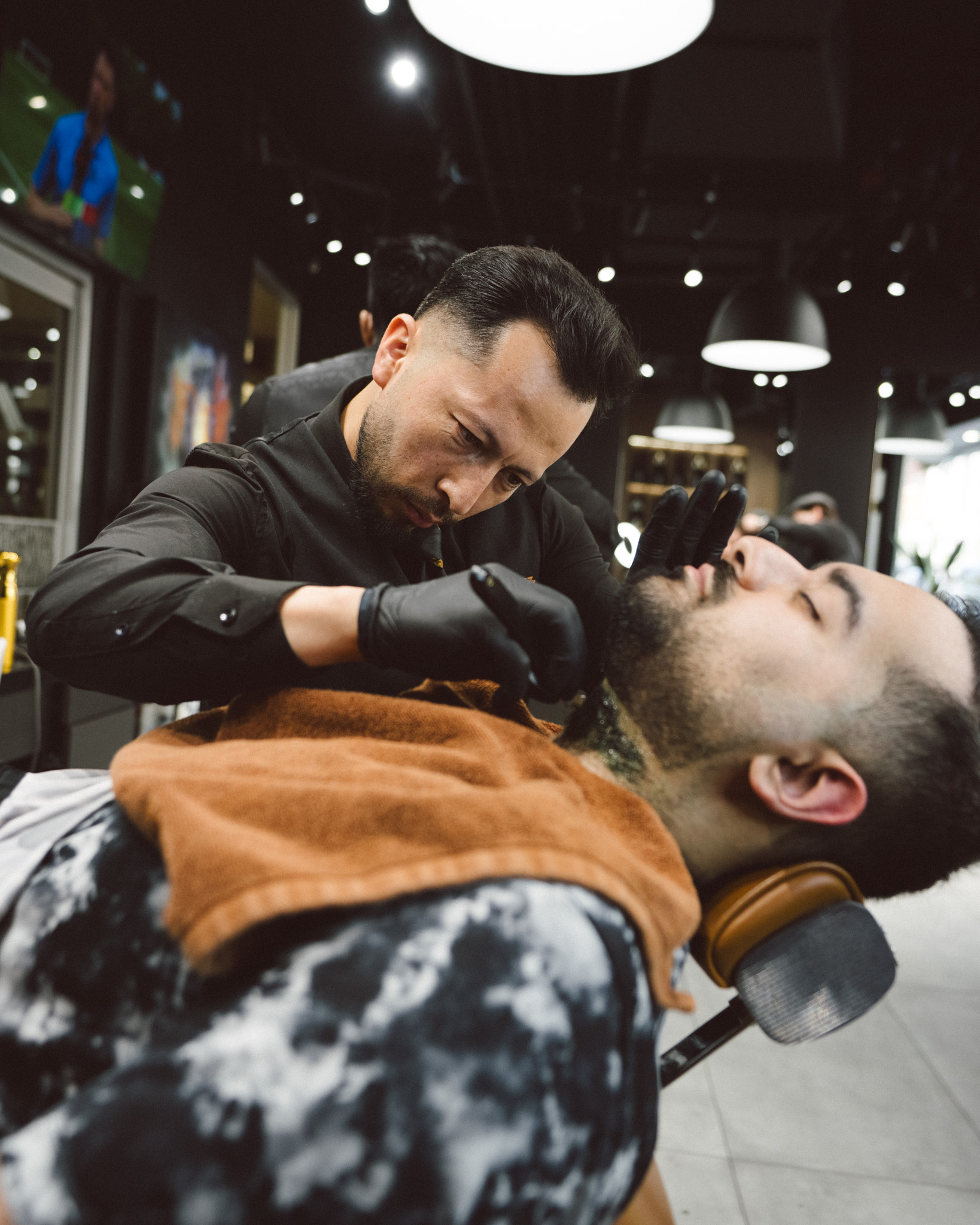
Walk into ten different barbershops in Toronto and you will hear ten different playlists. That is not an accident. The music a barbershop plays is a reflection of the shop's identity, the barbers who work there, and the clientele who walk through the door.
Music in a barbershop is not background noise. It sets the tempo of the room. It determines whether the vibe is relaxed or energetic, serious or playful. It influences how conversations flow. It can make a 45-minute wait feel like ten minutes or make a 20-minute cut feel like an hour.
Barbers know this. That is why the playlist question is not as casual as it sounds.
Why Music Matters in a Barbershop
A barbershop is a unique space. It is not a retail store where music exists to fill silence. It is not a restaurant where the music stays low enough that you forget it is there. A barbershop operates somewhere in between. The music needs to be present enough to create atmosphere but not so loud that conversation becomes impossible.
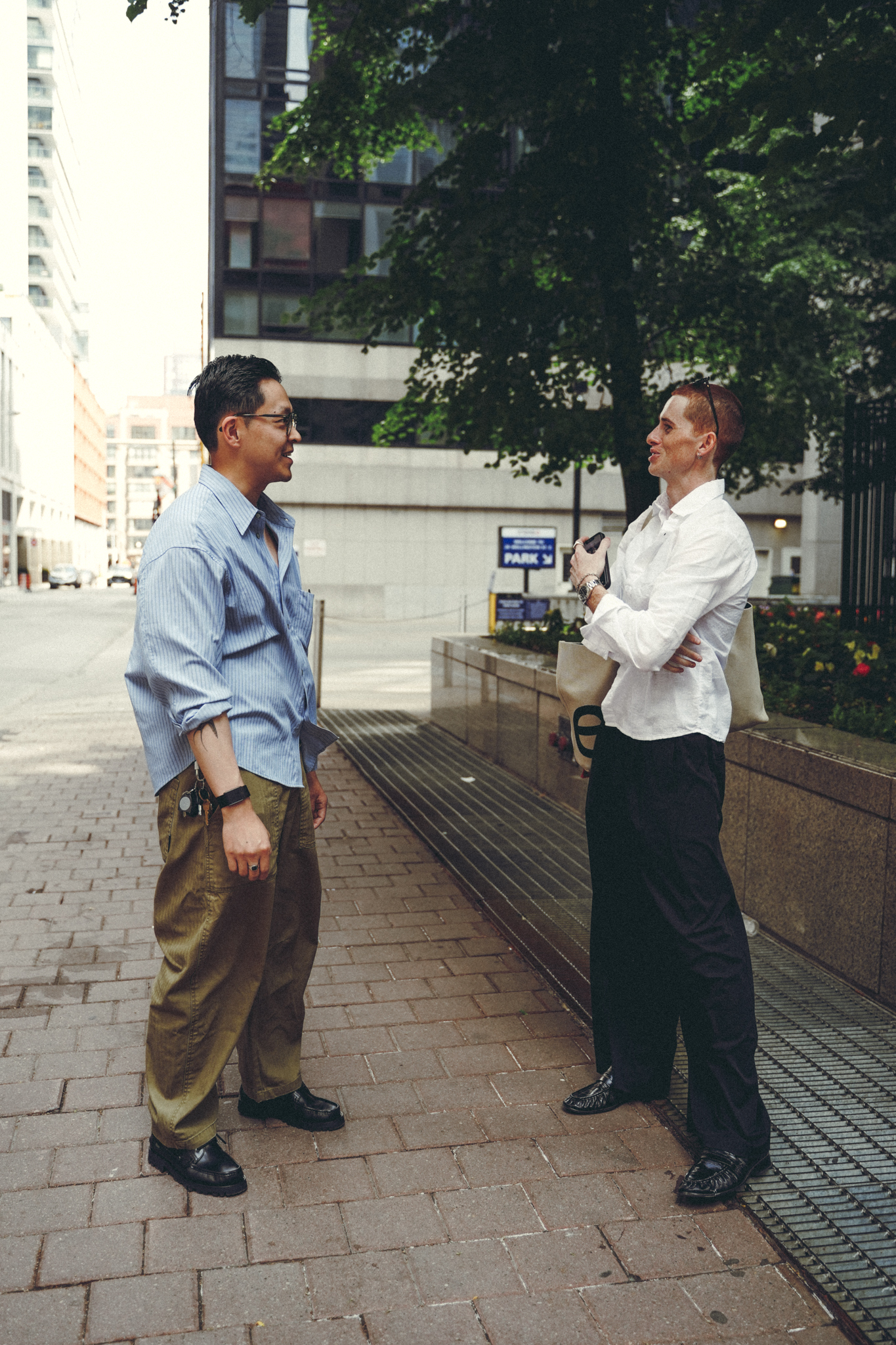
The barber-client relationship is built partly on conversation. You talk about your week, your plans, what you want done with your hair. Your barber talks you through options, asks questions, makes recommendations. That exchange requires the music to sit at the right level and the right energy.
Too quiet and the shop feels sterile. Like a doctor's office with clippers. Nobody wants that.
Too loud and you cannot hear your barber. You are nodding along to questions you did not catch, hoping they are not asking you something important about the length on top.
The sweet spot is music that creates an energy in the room without dominating it. Something that fills the gaps in conversation naturally and makes the silence between words feel comfortable rather than awkward.
The Genre Debate
This is where opinions get strong.
Hip hop and R&B dominate the barbershop playlist conversation. Historically, barbershops and hip hop culture have been deeply connected. The barbershop has always been a community space in Black culture, and hip hop grew out of those same communities. The pairing feels natural. The beats provide energy without being aggressive. The lyrics give people something to react to. A Drake track or a Kendrick album playing while you get a fade is the default setting for a lot of shops in Toronto.
Classic soul and Motown bring a different energy. Smoother, warmer, more relaxed. A Marvin Gaye or Stevie Wonder playlist makes the shop feel timeless. It connects the modern barbershop experience to the tradition of barbering. Older clients gravitate toward this. Younger clients often appreciate it more than they expect.
Reggae and dancehall have a strong presence in Toronto barbershops, especially in neighbourhoods with Caribbean communities. The rhythms are laid back but upbeat. The vibe is warm. On a Saturday afternoon in a Scarborough or Parkdale barbershop, reggae on the speakers makes perfect sense.
Rock and classic rock are less common in barbershops but show up in shops with a different aesthetic. Traditional barbershops with a vintage vibe sometimes lean into rock, country, or blues. It works in those spaces because the music matches the environment.
Lo-fi and chill beats are the modern default for shops that want atmosphere without personality. Instrumental, low-energy, unobtrusive. It works in the same way that coffee shop playlists work. Nobody loves it, nobody hates it, nobody notices it. Some shops see that as a feature. Others see it as a missed opportunity.
Pop and Top 40 are the safest and arguably the blandest option. You will not offend anyone with a pop playlist but you also will not create any kind of memorable atmosphere. It is the musical equivalent of beige walls.
What Barbers Prefer vs. What Clients Prefer
There is often a gap between what the barbers want to listen to and what the clients expect to hear.
Barbers are at the shop all day. Eight, ten, twelve hours depending on the day. They hear the playlist on repeat. The songs that clients enjoy for the 40 minutes they are in the chair become repetitive for the person who has been listening since 9 AM.
That is why a lot of shops let the barbers control the playlist throughout the day. The music shifts based on who is cutting, what mood the shop is in, and what time of day it is. Morning might be mellower. Saturday afternoon picks up the energy. Late evening winds back down.
Clients rarely complain about the music unless it is extremely loud or something they find genuinely offensive. For the most part, people are there for the cut, not the concert. The music is part of the experience but it is not the reason anyone walks in.
Where the tension shows up is in shops where the barbers' taste is far removed from the clientele. A shop full of older professionals listening to aggressive trap music creates a disconnect. A shop full of younger guys listening to smooth jazz might feel mismatched. The best shops are aware of this and curate accordingly.
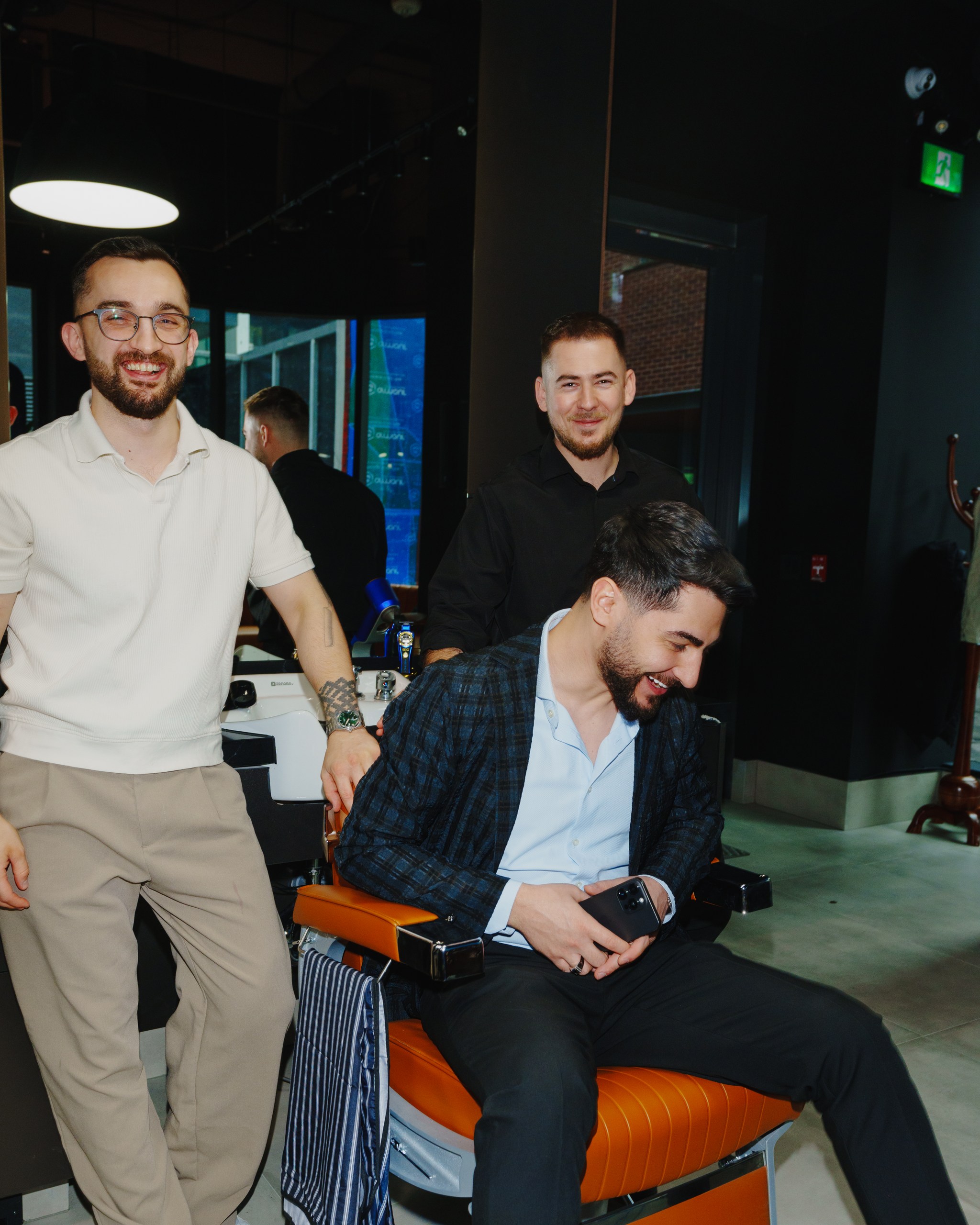
The Toronto Factor
Toronto's music scene influences its barbershops more than other cities.
This is a city that produced Drake, The Weeknd, Daniel Caesar, Jessie Reyez, and dozens of other artists who shape how modern music sounds. Toronto has a specific sonic identity. A blend of hip hop, R&B, Caribbean influences, and something that is hard to define but easy to recognize.
When you walk into a barbershop in Toronto and hear a Toronto artist on the speakers, there is a connection that does not exist in the same way in other cities. The music is local. The barber is local. The client is local. Everything belongs to the same city and the same culture.
That does not mean every Toronto barbershop plays Toronto music. But the city's identity as a music hub bleeds into the barbershop culture in a way that gives the local scene extra weight.
Podcasts and Talk Radio in the Chair
Some barbershops have moved away from music entirely and play podcasts or talk shows instead.
This is a more recent shift. Podcasts give the shop something to react to, debate, and discuss. A sports podcast during NBA season generates conversation. A culture podcast sparks opinions. The content creates a shared experience beyond just background sound.
The downside is that podcasts require more attention than music. If a client is not interested in the topic, it becomes annoying rather than ambient. Music fades into the background. A podcast about a topic you do not care about does not.
Talk radio operates similarly. Sports radio in a barbershop on game day works well. Everyone has an opinion. The room becomes a conversation. But on a random Tuesday with no major sporting news, talk radio can feel like waiting in a mechanic's shop.
Silence Is Also an Option
Some clients prefer minimal noise. They want to sit in the chair, close their eyes, and zone out. For these clients, the music is irrelevant because they are not really there for the social experience. They are there for the cut and the brief escape from their day.
A good barbershop accommodates this without making it weird. Not every client wants to chat. Not every client is tuned into what is playing. The music should enhance the experience for those who are paying attention without disturbing those who are not.
The Volume Question
Volume might matter more than genre.
A shop can play any genre and get away with it if the volume is right. Too loud and every genre becomes annoying. Too quiet and every genre becomes forgettable.
The ideal barbershop volume is loud enough that you can hear the music clearly from any chair, but quiet enough that a normal-volume conversation does not require raising your voice. That is the line. Most shops get it right instinctively. A few do not, and those few tend to hear about it in their Google reviews.
Building the Perfect Barbershop Playlist
If we had to build one, here is the framework.
Start with a core of hip hop and R&B. This is the genre most connected to barbershop culture and it works across the widest range of clients and energy levels.
Layer in soul and Motown for depth. These tracks keep the playlist from feeling one-dimensional and add warmth during slower periods.
Include Toronto artists. In a Toronto barbershop, local music belongs on the playlist. It is a nod to the city and the culture.
Keep the energy curve in mind. Morning is mellow. Midday builds. Saturday afternoon peaks. Evening winds down. The playlist should follow that arc.
Avoid anything with extremely explicit content during peak family hours. Saturday mornings sometimes have dads bringing their kids in. The music needs to be appropriate for the room.
Update it regularly. A playlist that has not been touched in six months becomes stale for the barbers even if clients do not notice. Fresh additions keep the energy alive.
The Vibe at Rendezvous
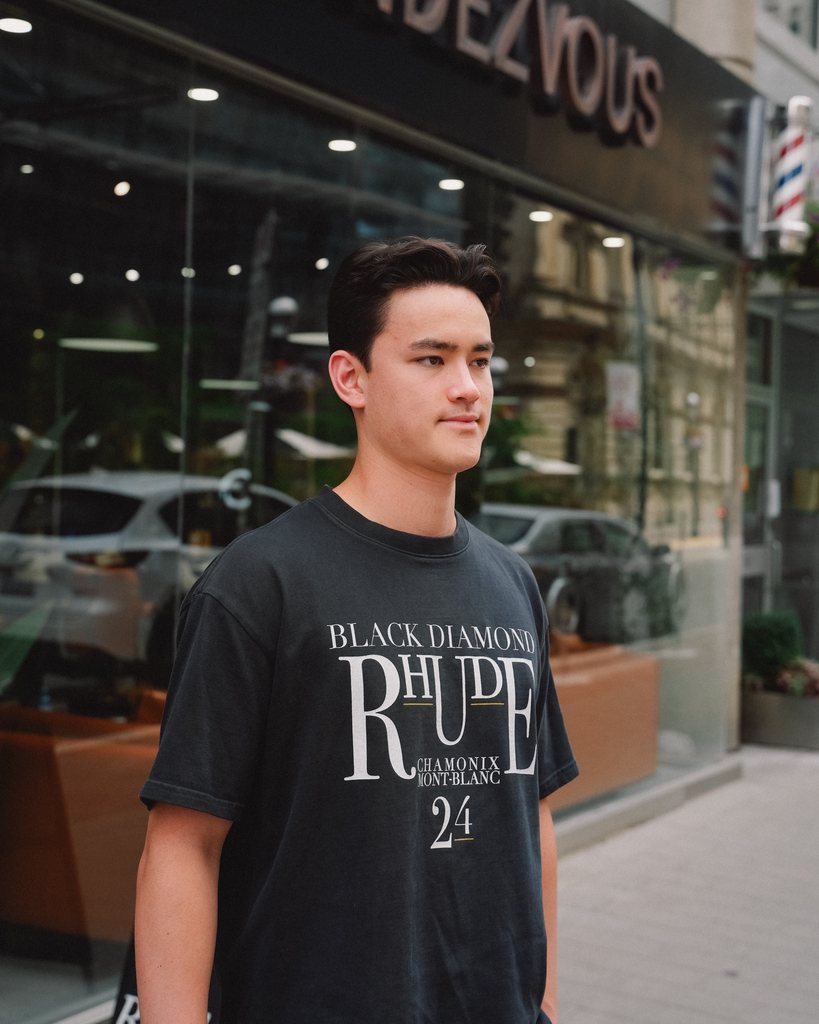
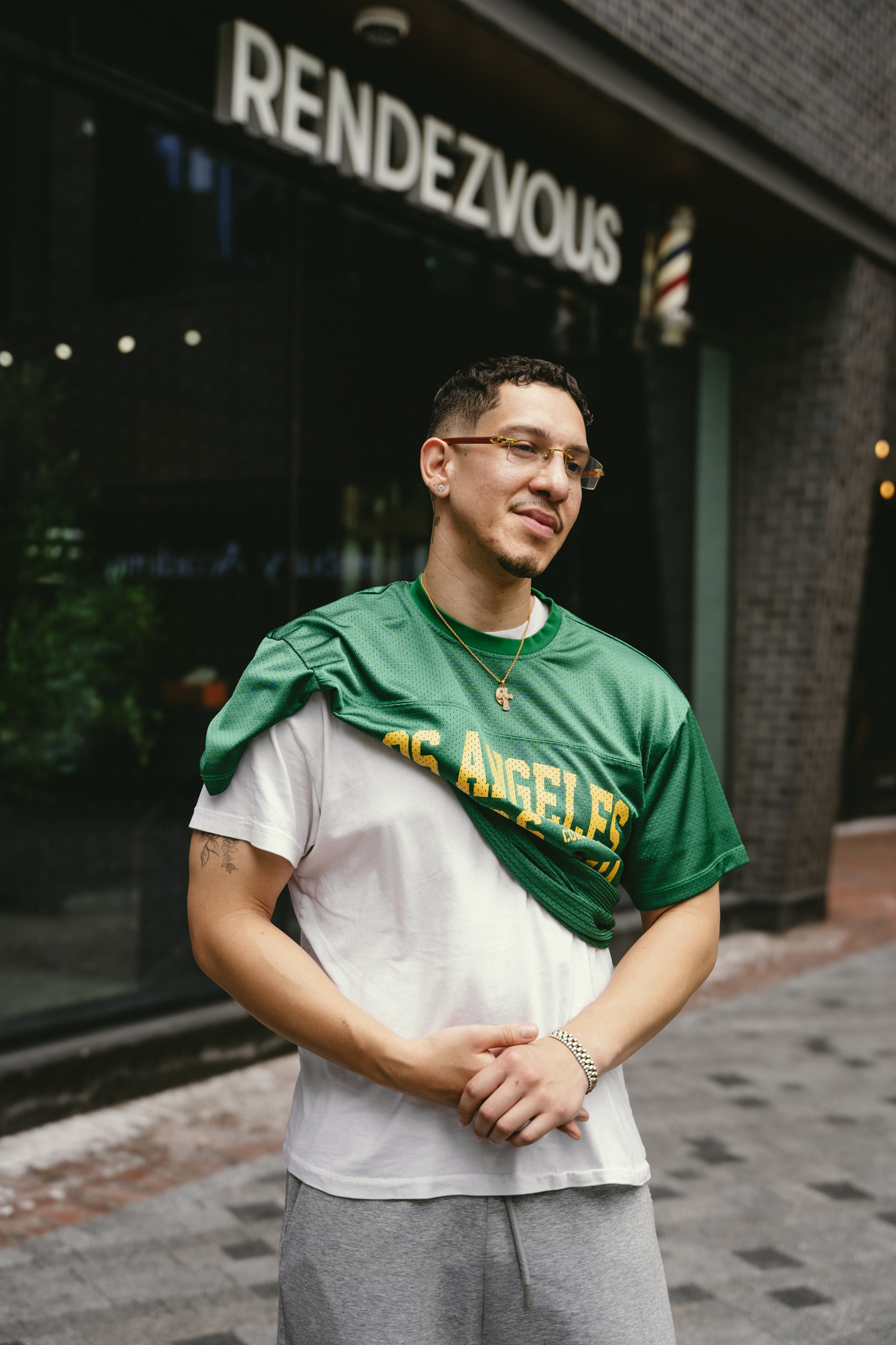
At Rendezvous, the music is part of the experience. Walk into any of our five Toronto locations and the energy is there. Not overpowering, not silent. Just enough to make the chair feel like exactly where you want to be.
Book your appointment today at any Rendezvous location. Come for the cut, stay for the playlist. Five locations across Toronto. Book online at rendezvousbarbers.com.


.jpg)