You have a job interview coming up. You know your hair matters, but you're not sure what to actually do about it.
Should you get a fresh cut the day before? Stick with your current style? Go shorter? The stakes are high and you don't want to guess wrong.
Here's the straight answer: your hair should look intentional and well-maintained without being distracting. That means different things depending on whether you're interviewing at RBC or a King West startup, but the core principle stays the same.
Here's exactly what to do with your hair for job interviews in Toronto, broken down by industry and timing.
The Universal Rules (Every Industry, Every Interview)
These apply whether you're interviewing for finance, tech, creative, retail, or anything else.
Get Cut 3-5 Days Before, Not the Day Of
A fresh haircut the day before your interview means you're still adjusting to how it looks and feels. You're not used to it yet. You might be self-conscious about it being "too short" or different from your usual.
Book your cut 3-5 days ahead. By interview day, the cut has settled slightly, you've styled it a few times and know how it behaves, and it looks natural instead of brand new.
Exception: If you're just getting a cleanup of your current style with no significant changes, 1-2 days ahead is fine.
Clean Beats Trendy Every Time
Interviewers notice messy, unkempt hair. They also notice obviously trendy styles that look like you're trying too hard.
The goal is to look like someone who takes care of themselves without their hair being the most interesting thing about them. Conservative, clean, and well-maintained wins in every professional context.
Your Neckline and Edges Matter More Than You Think
Even if you're not getting a full haircut before your interview, get your neckline and edges cleaned up. Overgrown necklines and fuzzy hairlines read as "hasn't been to a barber in weeks" which translates to "doesn't pay attention to details."
Most Toronto barbershops offer quick edge-ups for $20-30. Takes 15 minutes. Makes a noticeable difference.
Wash and Style the Morning Of
Show up with clean, styled hair. Not over-styled, not dripping in product, just clean and intentional.
If you normally style your hair, do that. If you don't, at least wash it and make sure it's not sticking up or looking flat and greasy.
What to Do Based on Industry
Different industries in Toronto have different grooming standards. Here's what works for each.
Finance, Law, Consulting (Bay Street Standards)
The standard: Conservative, clean, professional. Nothing that draws attention.
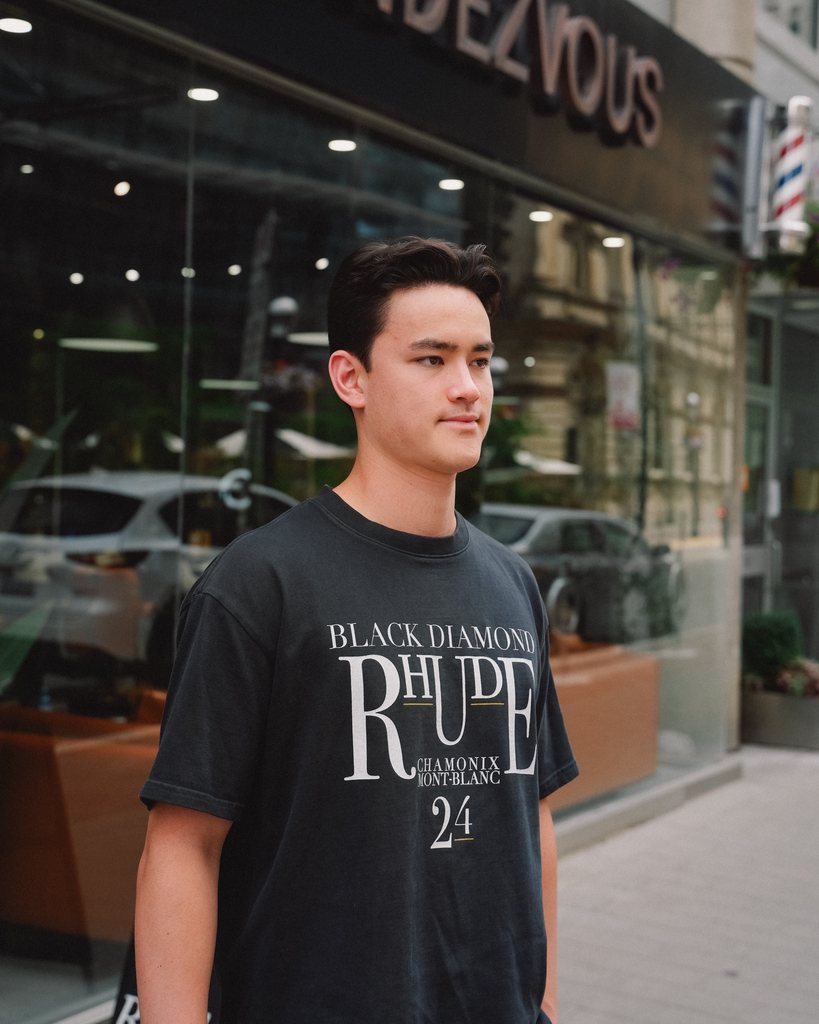
Best cuts: Short to medium length on top (1-3 inches), tapered or faded sides, clean neckline. Side parts, textured crops, or classic cuts. Avoid anything too trendy or high-maintenance.
What to avoid: Dramatic fades that go to skin, fashion-forward styles, any color or highlights, long hair past your collar, messy or textured looks that seem intentionally undone.
Product: Matte pomade or light paste. Enough to keep everything in place, not enough to look shiny or wet.
The test: If your hair is the first thing someone notices about you in a Bay Street office, it's wrong. It should register as "well-groomed professional" and nothing beyond that.
Timing: Get cut 4-5 days before so it doesn't look brand new and overly sharp.
Tech, Startups, Creative Agencies (King West / Liberty Village)
The standard: Polished but not corporate. You can show personality but still need to look like you take care of yourself.
Best cuts: Textured crops, modern fades, longer styles with shape, undercuts. More room for current trends as long as it's well-maintained.
What to avoid: Looking sloppy or like you just rolled out of bed. Even in casual tech environments, unkempt reads as lazy, not creative.
Product: Whatever matches your style. Wax for texture, pomade for polish, paste for something in between. Just make sure it's styled intentionally.
The test: Does your hair look like a deliberate choice or like you forgot to deal with it? Intentional wins. Accidental loses.
Timing: 3-4 days before. You want it to look current but not like you just walked out of the barbershop.
Retail, Hospitality, Customer Service
The standard: Clean, approachable, well-maintained. You're interacting with customers, so you need to look put-together.
Best cuts: Short to medium styles that don't require constant adjustment throughout the day. Nothing that falls in your face or needs frequent touching.
What to avoid: Anything high-maintenance that won't hold up through a full shift. Long hair that isn't tied back. Styles that look too casual or unkempt.
Product: Something with hold that lasts through physical activity. You might be moving around, restocking, serving customers. Your hair needs to stay in place.
The test: Can you work an 8-hour shift without your hair falling apart or needing to be fixed constantly? If not, it's the wrong cut for the job.
Timing: 3-5 days before. Maintenance matters more than looking fresh from the chair.
Trades, Manual Labor, Physical Jobs
The standard: Practical, low-maintenance, stays out of your way. Safety matters more than style.
Best cuts: Short. Buzz cuts, crew cuts, short fades. Anything that doesn't interfere with wearing hard hats, helmets, or safety equipment.
What to avoid: Length that gets in your eyes or needs constant adjustment. Styles that require daily blow-drying or products. Anything that won't survive sweat and physical work.
Product: Minimal or none. If you're working physically, products break down fast. Keep it simple.
The test: Does your hair create any safety issues or interfere with equipment? If yes, go shorter.
Timing: Doesn't matter as much. Even a fresh cut works because these styles are simple and don't need settling time.
Creative Fields (Design, Media, Arts)
The standard: Express yourself but still look professional. There's more room for personal style but you can't look sloppy.
Best cuts: Whatever matches your personal brand as long as it's well-executed. Longer styles, creative cuts, even color can work depending on the specific role and company.
What to avoid: Looking like you don't care or didn't make an effort. Even in creative fields, "I rolled out of bed like this" doesn't read well in interviews.
Product: Whatever your style needs. The key is execution. A well-styled creative cut beats a poorly maintained conservative one.
The test: Does your hair look like an intentional expression of your style or like you gave up? Intention is what matters.
Timing: 3-5 days. You want it to look natural, not fresh.
The Timing Breakdown
Here's the exact schedule to follow.
1 week before: If you need a significant change or haven't been to a barber in 6+ weeks, book now. This gives you time to adjust if something isn't right and still have time for corrections.
3-5 days before: Ideal window for most haircuts. The cut is fresh enough to look intentional but settled enough to feel natural.
1-2 days before: Only if you're getting a minor cleanup or edge-up of your current style with no real changes.
Day of interview: Wash, style, make sure everything looks clean. Don't get cut today unless it's an emergency and you have no other option.
After the interview: If you get called back for a second or third round, maintain the same look. They've seen you once with this haircut. Don't change it dramatically between rounds.
What to Tell Your Barber
When you book your pre-interview cut, give your barber context. Say "I have a job interview on [date] in [industry]." This helps them recommend the right approach.
For conservative industries: "I need to look polished and professional for a finance interview. Nothing too trendy."
For creative industries: "I'm interviewing at a design agency. I want to look put-together but still show some personality."
For practical jobs: "I need something low-maintenance that'll work with a hard hat and won't need styling every day."
Your barber can adjust their approach based on what you're going for. Don't just say "give me a haircut" and hope they guess the context right.
Product and Styling the Morning Of
Here's what to actually do the morning of your interview.
Wash your hair. Even if you normally wash every other day, wash it the morning of the interview. Clean hair looks better and holds style better.
Use less product than you think you need. Start with a small amount. You can always add more. Too much product makes hair look stiff, greasy, or overly styled.
Style it the same way you've been styling it all week. Don't try a new technique or product the morning of your interview. Stick with what you know works.
Check the back. Use a second mirror or your phone camera to check the back of your head. Make sure your neckline is clean and there's no weird sticking-up hair you can't see.
Bring a small comb or your product. If your interview is later in the day or you're commuting in wind or cold, bring something for a quick touch-up before you walk in.
The Hat Problem (Toronto Winter Interviews)
If you're interviewing in winter, you're wearing a hat during your commute. Here's how to handle this.
Remove your hat 5 minutes before you arrive. Don't walk in, take off your hat, and immediately go to the interview with hat hair. Give it a few minutes to settle.
Use the bathroom before the interview. Check your hair in the mirror after taking your hat off. Fix any compression or flatten areas. This takes 30 seconds and makes a real difference.
Choose cuts that recover from hat compression. Textured cuts bounce back better than slicked styles. If you're wearing hats daily in winter, mention this to your barber when you book your pre-interview cut.
Use a looser-fitting hat if possible. Tight beanies create more compression than looser knit hats. If you have options, choose the one that affects your hair less.
What If You Have Long Hair?
Long hair is fine for many jobs, but it needs to be managed for interviews.
Keep it clean and healthy. Long hair shows damage more than short hair. If your hair is dry, split, or fried, either get it trimmed and treated or cut it shorter before the interview.
Tie it back for conservative industries. Finance, law, traditional corporate roles generally expect long hair to be tied back in a low ponytail or bun. Don't wear it loose.
Style it intentionally for creative roles. Long hair can work in creative industries but it needs to look like a deliberate choice, not like you've avoided the barber for a year.
Make sure it's not in your face. If your hair falls forward and you're constantly pushing it back, it's distracting. Tie it back or pin it so it stays put.
The Beard Question
If you have a beard, it needs the same attention as your hair.
Trim and shape it before the interview. An unkempt beard reads as sloppy even if your hair is perfect. Get it shaped at the same appointment as your haircut.
Keep it clean. Wash your beard the morning of the interview just like your hair.
Conservative industries prefer shorter, well-maintained beards. If you're interviewing on Bay Street, keep your beard trimmed close and clean-lined. Long, full beards can work in creative or casual industries but need to be very well-maintained.
No patchy beards in formal interviews. If your beard grows unevenly or looks sparse, either commit to a style that works with that (like a goatee or short stubble) or shave it off for the interview.
Common Mistakes to Avoid
Getting a dramatic new style right before an interview. Stick with refinements of your current look, not complete transformations.
Showing up with product buildup or greasy hair. This reads as not taking care of yourself.
Over-styling to the point where your hair looks stiff or unnatural. Less is more.
Ignoring your neckline and edges. Even a great cut looks sloppy if the neckline is overgrown.
Trying a new product or technique the morning of. Stick with what you know works.
Wearing strong-scented hair products. Some products have noticeable smells. In a small interview room, this can be distracting. Stick with unscented or lightly scented products.
After You Get the Job
Once you're hired, you can assess what grooming standards actually look like at the company by observing what other people do.
Some places that seem conservative in interviews are more relaxed day-to-day. Others maintain the same standards. Your interview look is the safe choice until you see what the actual office culture is.
But for the interview itself, err on the side of conservative and polished. You can always relax your grooming standards after you're hired. You can't go back and redo the first impression.
Book your appointment today at any Rendezvous location and mention you have an upcoming interview. We'll recommend cuts and timing that work for your specific situation and make sure you walk into that interview looking exactly right.



.jpg)