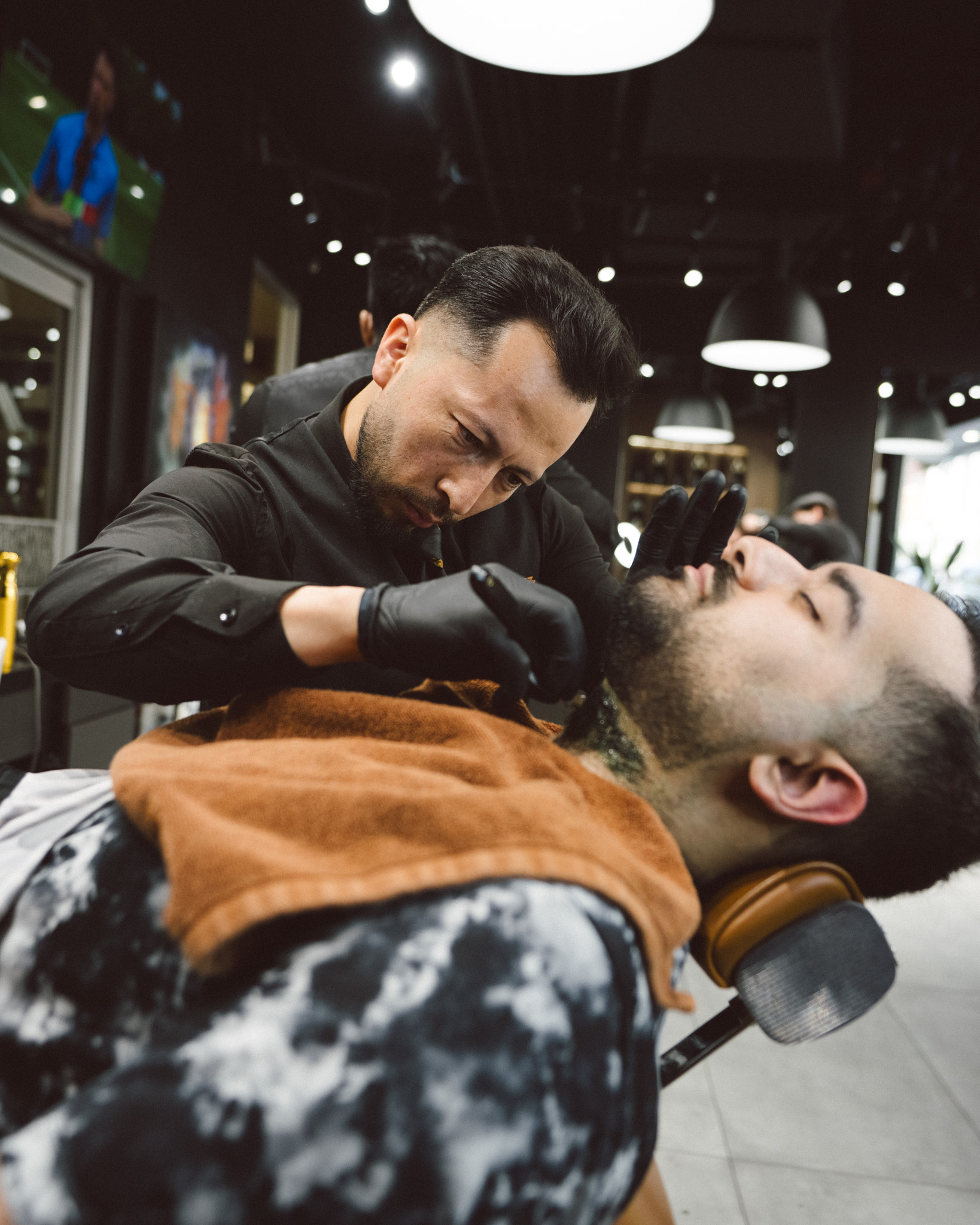
You sit in the chair. Your barber starts cutting. Every few minutes they grab a spray bottle and mist your hair. You have no idea why they keep doing this or what difference it makes.
Most guys assume barbers spray hair just to keep it manageable or because that's how it's always been done. There are actually specific technical reasons why damp hair cuts better than completely dry hair.
Here's what that spray bottle is actually doing and why your barber can't cut properly without it.
Damp Hair Shows How It Actually Falls
Dry hair, especially if you've styled it with product or it's been compressed under a hat, doesn't show you how it naturally behaves. Damp hair resets everything and shows the true texture and movement.
Why this matters: Your barber needs to see how your hair naturally falls so they can cut it to work with that pattern instead of against it. If they cut dry, styled hair, they're cutting the shape you forced it into, not the shape it wants to be.
What happens without water: The cut might look great in the chair when your hair is styled, then fall completely differently when you wash it at home and it reverts to its natural pattern.
The technique: Your barber sprays sections damp, lets them fall naturally, then cuts based on where the hair actually wants to go. This creates cuts that work with your hair instead of requiring constant fighting.
Scissors Cut Better Through Damp Hair
Dry hair creates friction against scissor blades. Damp hair lets scissors glide through smoothly, creating cleaner cuts with less effort.
Why this matters: Cleaner cuts mean less split ends and damage. When scissors have to force through dry hair, they're more likely to crush or tear the hair shaft instead of making a clean slice.
What you notice: The sound changes. Scissors cutting through properly damp hair make a crisp, clean sound. Scissors struggling through dry hair sound rough and feel like they're pulling.
The sweet spot: Hair should be damp, not soaking wet. Too wet and water drips everywhere. Too dry and scissors don't cut cleanly. Your barber is constantly adjusting moisture levels throughout the cut to keep hair in that optimal damp range.
Water Adds Weight to See True Length
Dry hair, especially if it's curly or wavy, doesn't show true length. It bounces up and appears shorter than it actually is. Damp hair has weight that pulls it down to show real length.
Why this matters: If your barber cuts curly or wavy hair when it's bone dry, they're cutting based on the bounced-up length. When you wash it and it gets damp, it'll be significantly longer than intended.
The curly hair exception: Very curly or coily hair is sometimes cut completely dry because barbers need to see the natural curl pattern. But even then, most barbers dampen it slightly to control flyaways and make cutting easier.
What your barber is checking: They spray, let the hair fall, check the length against their fingers or comb, then cut. The water weight shows them exactly what they're working with.
Damp Hair Is Easier to Control
Dry hair has static, sticks up randomly, and moves around while you're trying to cut it. Damp hair stays where you put it.
Why this matters: Precision requires control. Your barber needs hair to stay in place while they're cutting it. Fighting with flyaway dry hair wastes time and reduces accuracy.
What you notice: Your barber sections your hair, sprays it, and it stays in that section instead of falling back or sticking to other parts. This lets them work methodically through your head without constantly re-sectioning.
Toronto winter factor: Winter static makes dry hair nearly impossible to control. The spray bottle becomes essential from November through March when indoor heating creates maximum static.
Water Reveals Texture and Density
Dry hair, especially if you've used product or it's been days since washing, can look thicker, thinner, straighter, or curlier than it actually is. Water reveals true texture and density.
Why this matters: Your barber makes decisions about how much to thin, where to add texture, and how to layer based on your actual hair density and texture. They can't assess this accurately on dry, product-coated hair.
What they're looking for: How thick individual strands are, how much density you have in different areas, whether your hair is naturally straight or has wave to it, and where cowlicks or growth patterns create challenges.
The assessment: Most barbers spray your hair early in the cut to see what they're actually working with, then keep it damp throughout to maintain that accurate picture.
It Prevents Damage From Clipper and Scissor Heat
Clippers and scissors create friction, which creates heat. On completely dry hair, this heat can damage the hair shaft over time. Damp hair dissipates that heat better.
Why this matters: If you're getting haircuts regularly, cumulative damage adds up. Keeping hair slightly damp during cutting reduces this damage over time.
What causes the heat: Metal blades moving rapidly against hair create friction. The dryer the hair, the more friction, the more heat.
The protective layer: Water on the hair shaft acts as a small buffer between the cutting tool and the hair itself, reducing direct friction damage.
When Barbers DON'T Use the Spray Bottle
There are specific situations where barbers cut completely dry hair instead of damp.
Clipper fades on very short hair: Once hair is short enough (below half an inch), water doesn't add much benefit and can actually make clippers less effective. Most barbers fade on dry hair.
Finishing and detailing: The final touches, edging around the hairline, and detail work is often done on dry hair because barbers need to see exactly how it's going to look in its natural state.
Specific curl pattern work: Some barbers who specialize in curly hair cut it completely dry so they can see and work with the natural curl formation.
Texturizing and thinning: Some barbers prefer to thin or texturize on dry hair because they can see the immediate effect better than on damp hair.
Your hair is already wet: If you just washed your hair before coming in, your barber might not need the spray bottle for a while because you're already starting damp.
What's Actually in the Spray Bottle
Most barbershops use plain water, but some add other things for specific benefits.
Plain water: The default. Works perfectly fine for all the purposes described above.
Water with a small amount of conditioner or leave-in product: Some barbers add a tiny amount of leave-in conditioner to the spray bottle. This adds slip, making hair even easier to cut through, and provides minor conditioning benefits.
Water with a few drops of essential oils: Some shops add tea tree oil, peppermint oil, or lavender for scent and minor scalp benefits. This is mostly aesthetic.
Specialty cutting sprays: Professional products designed specifically for cutting. These usually contain slip agents and light conditioners. They work slightly better than plain water but aren't necessary.
At Rendezvous, most barbers use plain water or water with a small amount of leave-in product. The difference between plain water and specialty sprays is minimal for most cuts.
Why Your Barber Keeps Re-Spraying
You probably notice your barber spraying your hair multiple times throughout the cut, not just once at the beginning.
Hair dries as they work: Even damp hair dries within a few minutes, especially under barbershop lighting and with air circulation from fans or AC. Your barber has to re-dampen sections as they dry.
Different sections need different moisture: The top of your head might still be damp while the sides have dried out. Your barber is constantly adjusting moisture levels in different areas.
Checking their work: Sometimes barbers spray and let hair fall to check if a section is even or if they need to make adjustments. The water helps them see what they've done.
Temperature and humidity affect drying time: In Toronto's dry winter months, hair dries much faster than in humid summer months. Your barber adjusts spraying frequency based on how quickly your hair is drying.
What If Your Barber Never Uses Water?
Some barbers cut completely dry, especially barbers who specialize in very short cuts or clipper work.
Is this bad? Not necessarily. For very short clipper cuts, water doesn't add much benefit. For longer scissor work, cutting completely dry is less ideal but some barbers are skilled enough to make it work.
When it matters: If you're getting a longer cut with layers, texture, or significant length, cutting on damp hair produces better results than cutting completely dry. If your barber is doing longer cuts dry, they should at least be checking how the hair falls naturally before cutting.
Quality check: A barber who cuts everything dry without ever checking natural fall or texture is probably not thinking critically about each individual cut. They're using a one-size-fits-all approach.
Can You Ask Your Barber NOT to Spray Your Hair?
You can ask, but it'll affect the quality of your cut.
Why you might want this: You don't want water on your clothes, you're in a rush and don't want your hair damp when you leave, or you have a scalp condition that's irritated by water.
What your barber will say: Most will explain that cutting damp hair produces better results and recommend letting them spray at least lightly. Some might accommodate if you insist but will warn that accuracy might suffer.
The compromise: Ask them to use minimal water and blow-dry your hair after the cut so you leave with dry hair. Most shops can do this.
When it's reasonable: For very short clipper cuts where water doesn't add significant benefit, asking to skip the spray is fine. For anything involving scissors on length, it's working against your own interests.
The Spray Bottle Is Part of Quality Cutting
That spray bottle isn't a random tool your barber grabs out of habit. It's essential for cutting hair accurately and with minimal damage.
Damp hair shows true texture, length, and fall patterns. It cuts cleanly with less friction and damage. It stays controlled instead of flying around. It reveals density and structure that dry hair hides.
When your barber reaches for the spray bottle mid-cut, they're making sure they're cutting what they think they're cutting, not what dry, styled, or static hair is pretending to be.
Next time you're in the chair and your barber sprays your hair, you'll know exactly why they're doing it and why it matters for the quality of your cut.
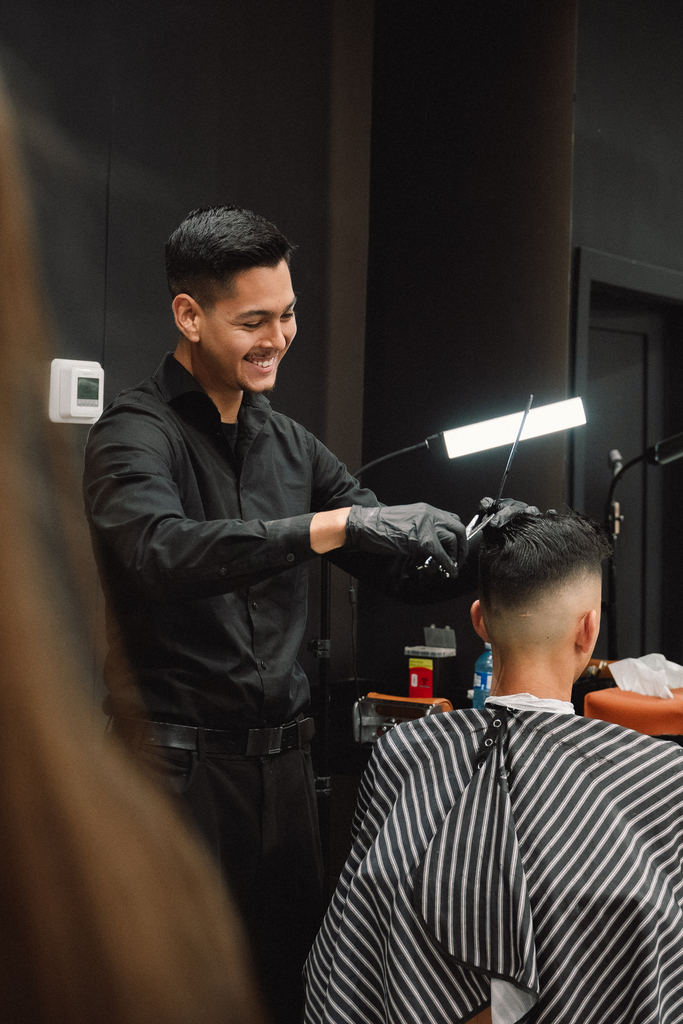
Book your appointment today at any Rendezvous location. Our barbers use proper cutting techniques, including keeping hair at optimal dampness throughout your cut, to ensure accuracy and minimize damage. You'll leave with a cut that works with your natural hair patterns instead of fighting them.






.jpg)