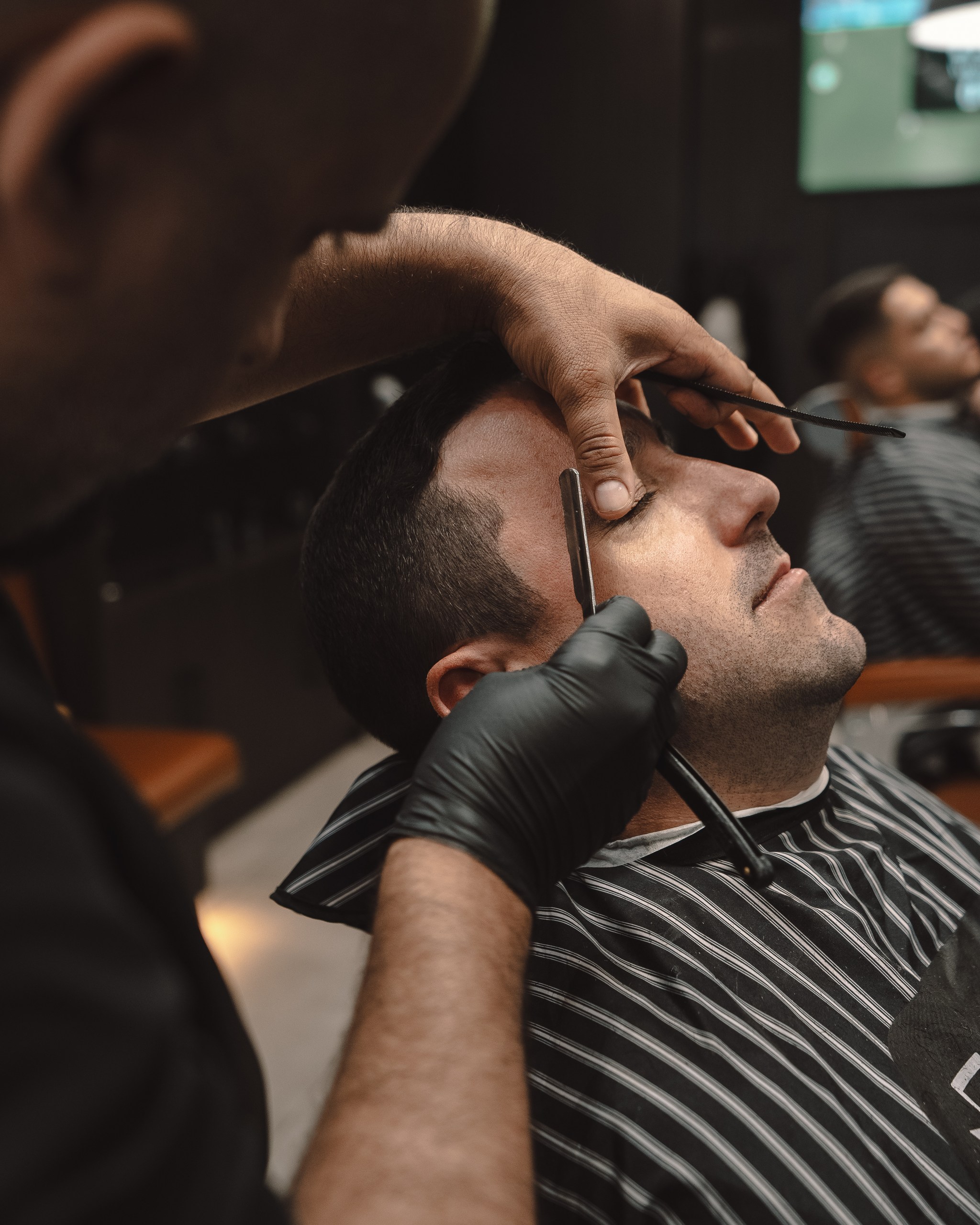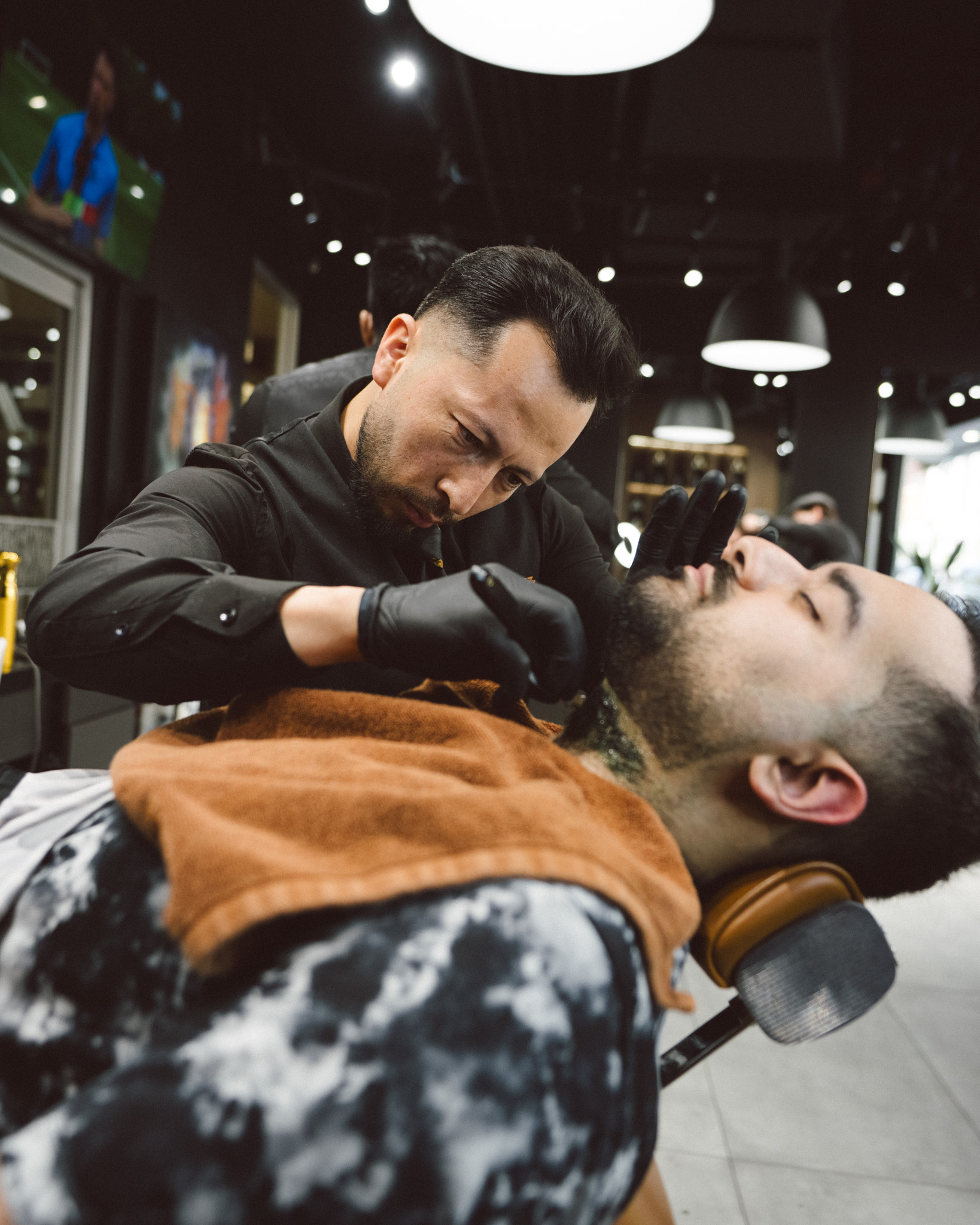
Facial hair went from career liability to genuinely accepted professional look over the past decade, but that acceptance came with an unspoken condition: it has to look deliberate. The wild, untamed beard that works in creative industries or casual workplaces doesn't translate the same way in finance, law, or client-facing corporate roles. What does translate is what's become known as the "corporate beard", well-groomed, neatly shaped, and precise enough to read as an asset rather than a distraction.
At Rendezvous Barbers, we get a steady stream of guys in suits asking for exactly this — facial hair that adds to a polished look instead of working against it. Here's what actually separates a corporate beard from a regular one, and how to maintain it without it becoming a second job.
What Actually Makes a Beard "Corporate"
Defined edges over natural growth lines: The biggest difference between a corporate beard and a casual one is edge precision. Sharp, clean lines along the cheek, neckline, and jaw signal intentional grooming rather than just letting things grow.
Consistent, moderate length: Corporate beards rarely go beyond medium length. Very long or very full beards, even when well-groomed, tend to read as more casual or lifestyle-oriented than professional, regardless of how neat they are.
Even density expectations: A corporate beard generally needs reasonably even coverage. Patchy growth that's fine for a more relaxed stubble look becomes more noticeable and less polished-looking at the lengths and precision a corporate beard demands.
Symmetry and proportion with your haircut: A corporate beard doesn't exist independently, it needs to work with your haircut as one cohesive, professional look, not compete with it or look like an afterthought.
The Length Sweet Spot
Short, defined stubble (2-4mm): The lowest-commitment corporate option. Provides definition and a slightly more mature look without requiring much shaping work. Best for guys who want facial hair present but minimal.
Groomed short beard (8-15mm): The most common corporate beard length. Enough presence to add real definition to your jawline, short enough to maintain sharp lines easily, and versatile across most professional dress codes.
Moderate beard (up to 20-25mm): Still workable in most corporate environments if impeccably maintained, but starts requiring more active shaping and daily upkeep to avoid drifting into a more casual look.
Beyond this: Longer beards can still work in some professional contexts, particularly less conservative industries, but generally need more deliberate styling attention to maintain the "corporate" read rather than just "beard."
Shape and Line Work
The neckline: This is where corporate beards most commonly go wrong. The line needs to sit naturally above your Adam's apple, following a slight curve rather than a harsh straight line, and stay tight to avoid looking unkempt as it grows out during the week.
The cheek line: Corporate beards generally favor a cleaner, higher cheek line than more casual full-beard styles. This creates more definition and a slightly more tailored look, particularly important if your natural cheek growth is patchy or uneven.
Mustache integration: The mustache needs to stay trimmed enough to avoid covering your top lip, both for professional appearance and basic hygiene during client meetings or presentations.
Jaw and chin definition: A skilled shaping job uses your beard to actually enhance your jawline, adding definition that a completely clean-shaven face might lack, which is part of why corporate beards have become genuinely popular rather than just tolerated.

Maintenance Schedule for Professional Upkeep
Professional trims every 3-4 weeks: Corporate beards need more frequent professional maintenance than casual styles because the precision that makes them "corporate" degrades faster than a looser, more natural shape would.
Daily upkeep at home: A quick trim of stray hairs and edge touch-ups between professional appointments keeps things sharp. This doesn't need to be extensive, five minutes with a trimmer on the lowest guard around your established lines handles most of it.
Washing and conditioning routine: Professional contexts mean client interactions, meetings, and close proximity to colleagues. A clean, well-conditioned beard matters as much for how it looks as how it smells and feels.
Beard oil for shorter styles: Even short corporate beards benefit from light beard oil to prevent dryness and flakiness underneath, which is more noticeable at shorter, more visible lengths than it would be in a fuller beard.
Communicating What You Want to Your Barber
Bring reference photos, but be specific about context: Showing a photo isn't enough, mention that you need it to work in a conservative office environment specifically, since the same beard style might get executed slightly differently for a more casual context.
Discuss your actual dress code: A barber cutting for a guy who wears a suit daily makes different decisions than one cutting for business casual. Be specific about your actual work environment.
Mention client-facing responsibilities if relevant: If you're regularly meeting clients or presenting, that's worth mentioning specifically, since it often means erring toward more conservative shaping decisions.
Industry Variation Within "Corporate"
Finance and law: Generally the most conservative end of corporate beard acceptance. Shorter, tighter, more precisely shaped styles work best here, and even moderate beards need to be genuinely impeccable to read as appropriate.
Consulting and corporate tech: Somewhat more flexibility, often allowing slightly longer or fuller styles as long as they're well-maintained, since these environments tend to weight competence and polish over strict conformity.
Client-facing sales and account roles: Similar to finance and law in terms of erring conservative, since first impressions and immediate trust-building matter significantly in these roles.
Internal-facing corporate roles: The most flexibility within the broader "corporate" category, since daily interaction with external clients matters less to how your grooming gets perceived.
When a Corporate Beard Isn't Working
If you're spending more time on it than your haircut: Something's off if daily beard maintenance is taking longer than styling your hair. This usually means the shape or length isn't actually suited to your growth pattern or lifestyle.
If lines need re-establishing every few days: Beard edges that don't hold their shape well between professional trims might need a different shaping approach, or you might need slightly more frequent barbershop visits than you're currently doing.
If it's not actually reading as polished to others: Sometimes what looks sharp in the mirror doesn't translate the same way in professional settings. This is worth an honest conversation with your barber if you're not getting the response you expected.
The Bottom Line
A corporate beard isn't about growing less facial hair, it's about growing it with more precision, structure, and maintenance discipline than a casual style requires. The right length and shape depend on your specific industry, dress code, and how much daily upkeep you're realistically willing to commit to, but the core principle stays the same: it needs to read as deliberate, not just present.
Book your appointment today and get a corporate beard built around your actual industry and dress code. For precision beard grooming that works in the boardroom, visit Rendezvous Barbers.






.jpg)